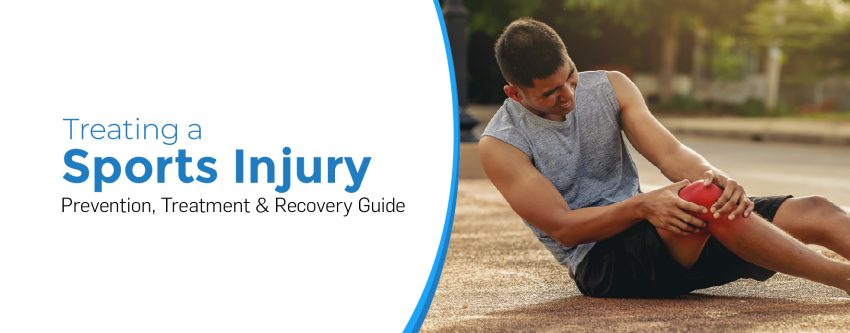
Whether you are a professional athlete, a fitness enthusiast, or someone who enjoys regular physical activity, a sports injury can disrupt your routine and affect your overall health. Sprains, fractures, muscle strains, ligament tears-these sports-related injuries are becoming a daily thing thanks to intense training, wrong technique, and not enough time for recovery. When properly diagnosed, treated, and given proper rehabilitation, healing happens more quickly, and you recover in the long term.
Today’s orthopaedic care, skilled sports doctors, and fantastic rehabilitation services, available at places like Venkateshwar Hospital, can give you all the care you need for sports injury and recovery. We will explore sports injury causes, how to prevent them, treatment, and recovery.
What Is a Sports Injury?
A Sports Injury is an injury that occurs while you are playing or practicing any sport or exercising, training, or even at a sporting event. It could affect your muscles, joints, bones, ligaments, or tendons.
An injury could happen from an impact or even gradually. Sports injuries often happen to athletes and are a common condition for gym-goers, runners, or anyone involved in daily physical activities. Common sports injuries:
- Sprains and strains
- Fractures
- Tendonitis
- Dislocations
- ACL tears
- Shin splints
- Rotator cuff injuries
- Tennis elbow
- Hamstring injuries
- Knee injuries in sports
Common Causes of Sports Injury
There are various reasons for getting injured when playing sports. Understanding these causes can be key to developing Sports injury prevention strategies.
Not warming up sufficiently
Not warming up properly before playing and workout could make the muscles stiff and increase the chance of injuries.
Incorrect Technique
Putting the wrong kind of stress on your muscles, ligaments, and joints due to poor posture or techniques in sports.
Overtraining
Exercising excessively and without taking rest could cause muscle damage or overuse injuries.
Muscle weakness and lack of conditioning
This will result in loss of stability in the body.
Wrong Gear/Equipment
Poorly fitted footwear and incorrect sports equipment.
Rapid increase in physical activity
Working out too intensely or for too long can strain muscles and joints.
What is a Muscle Strain?
Muscle Strain is damage sustained by muscle fibres due to stretching them. It is one of the most frequent sports injuries and often occurs while playing weightlifting, running, football, gym, or cricket. The muscles most often harmed include:
- Hamstrings
- Calf muscles
- Back muscles
- Shoulder muscles
- Groin muscles
Symptoms of Muscle Strain
Symptoms differ with the level of injury. Some typical signs of a muscle strain are:
- Sudden pain
- Tenderness and swelling
- Muscle weakness
- Bruising
- Loss of movement
- Muscle spasms
Taking muscle strain treatment at the earliest can prevent the worsening of such injuries and aid in quick recovery.
Knee injuries in sports
Knee injuries in sports are among the most severe injuries caused to an athlete or an active individual. During activities like running, jumping, and sudden changes in direction, the knee joint is subjected to heavy stress and strain. Common knee injuries include:
- ACL tear
- Meniscus tear
- Patellar tendonitis
- Ligament sprains
- Runner’s knee
Symptoms of a knee injury include:
- Knee pain
- Swelling
- Instability
- Difficulty with walking
- Limited range of motion
If ignored or not properly treated, knee injuries may cause chronic problems.
Immediate First aid treatment for sports injuries
The first hours after a Sports Injury are most important, and early care might reduce swelling and pain considerably. The RICE Method should be followed:
- Rest: Rest the injured part completely and avoid stressing it.
- Ice: Apply an ice pack over the injury site for 15-20 minutes every few hours to help reduce swelling and pain.
- Compression: Cover the injury site with a compression bandage to keep swelling from increasing.
- Elevation: Raise the injured body part above heart level to help drain the fluid build-up and decrease swelling.
This RICE therapy may be a good way for immediate Sports injury management of a muscle tear or ligament sprain.
When to See a Sports Doctor?
Although mild injuries heal with home treatment and some rest, severe conditions need medical attention. See a doctor if you experience:
- Severe pain
- Difficulty bearing weight
- Persistent swelling
- Joint instability
- Obvious deformity
- Numbness or tingling sensations
Sports doctors at Venkateshwar Hospital can accurately diagnose and treat sports injuries with cutting-edge technology.
Diagnosis of sports injuries
Accurate diagnosis of any Sports injury is crucial before starting any treatment or rehabilitation plan. This could involve:
- Physical examination
- X-ray
- MRI scan
- Ultrasound scan
- CT scan
These tests aid the doctors in identifying bone fractures, ligament tears, tendon damage, and soft tissue injuries accurately.
Muscle strain treatment
The extent and duration of muscle strain treatment would depend on the degree of injury. Generally, minor muscle tears will recover in a few weeks, whereas in the case of serious tears, extended rehabilitation will be required. Conservative treatment, also known as non-surgical muscle strain treatment, includes:
- Rest and changing activity levels
- Ice application
- Anti-inflammatory medications
- Compression therapy
- Stretching exercises
- Guided rehabilitation
Physical therapy can play a vital role after a sports injury and aid a physiotherapist in establishing a rehabilitation plan with strength training, flexibility, and restoring movement, which is vital for long-term performance and health. Sports physiotherapists also work to prevent re-injury, which they can do with their years of experience by evaluating your sport and workout pattern to make sure your muscles are conditioned to endure it without undue risk of strain.
Advanced Medical Treatment
In critical sports injuries or when surgery seems the best course of action, doctors may offer:
- Corticosteroid injections
- PRP therapy
- Arthroscopic surgery
- Ligament repair/reconstruction surgery
The primary goal of advanced medical care is to enable quick recovery and minimise your downtime in sports or workouts through minimally invasive surgery.
Role of sports physiotherapists in recovery
Rehabilitation with the aid of a sports physiotherapist is crucial after a sports injury to get back to sporting activity. The physio helps to:
- Relieve pain
- Strengthen muscles
- Improve balance and coordination
- Improve flexibility and range of motion
- Sport-specific rehab and fitness training
At Venkateshwar Hospital, sports physiotherapists work with individualised care for all kinds of sports injuries.
Importance of physical therapy after a sports injury
Avoiding the rehabilitation process post Sports Injury means recovery can be significantly slower, and the risk of further injuries may increase. Physiotherapy aims at rebuilding:
- Muscle coordination
- Joint stability
- Endurance and capacity
- Functional mobility
- Athletic performance
There are several forms of treatment offered by a physiotherapist, such as:
- Stretching exercises
- Strength training
- Ultrasound therapy
- Electrical stimulation
- Balance exercises
- Functional movement training
The physical therapy programs at Venkateshwar Hospital are customised for each patient based on their specific condition and aims.
Sports injury prevention tips
Prevention always beats cure when it comes to sports injuries. By conditioning yourself correctly and keeping informed, you can significantly reduce the risk of all types of Sports injuries.
- 1. Warm Up Properly
- 2. Maintain Physical Fitness
- Use Correct Technique
- Wear the Right Gear
- 5. Don’t Overtrain
- Stay Hydrated
- 7. Gradually Increase Intensity
- Combine Strength and Flexibility Training
These Sports injury prevention and management strategies can help you lead a fit life and maintain your performance without any hitches.
Recovery Process After Sports Injury
The amount of time for a Sports Injury to recover completely depends on the extent of the injury. The process follows:
Stage 1: Controlling the Pain and Swelling
Early management is centred around managing these symptoms to allow for the next stage of treatment.
Stage 2: Regaining Movement
Once the pain starts to decrease, you will be encouraged to perform gentle stretching and movement exercises.
Stage 3: Strength Building
A gradual progression of exercises will help to strengthen the affected muscles.
Stage 4: Functional Training
Once the muscles are sufficiently strong, you will start moving to activities that are more specific to your sport.
Stage 5: Return to Sports
You will be advised to only gradually return to competitive Sports after thorough evaluation by your sports doctor and physiotherapy team.
Why Trust Venkateshwar Hospital for Sports Injury Care?
We at Venkateshwar Hospital are committed to offering comprehensive orthopaedic and sports medicine solutions powered by advanced technology and experienced doctors.
Highlights include:
- Dedicated team of orthopaedic surgeons
- Expert sports physiotherapists
- Advanced imaging facilities
- Arthroscopic and minimally invasive surgical procedures
- Customised rehabilitation plans
- Holistically curated sports injury treatment options
Our aim is accelerated recovery, enhanced mobility, and long-term joint health for every athlete and active individual.
Conclusion
Untreated, sports injuries can lead to inhibited performance, limited mobility, and a reduced quality of life. Sports injuries range from minor muscle strains and ligament sprains to significant knee injuries in sports; the diagnosis and management of injuries early on are critical.
With prompt treatment of muscle strain and the guidance of sports specialists and guided physical therapy, most people can make a full recovery to their respective sports.
Maintaining physical fitness, the correct technique for different sports, and sound strategies for sports injury and prevention can help prevent the majority of these injuries. Hospitals like Venkateshwar Hospital, with their cutting-edge imaging, rehabilitation services, and sports medicine treatments, can support faster, enhanced sports performance.
FAQs
What is the most common sports injury?
Muscle strains and ligament sprains are considered the most common injuries sustained, particularly among running athletes, cricketers, footballers, and during gym exercises.
What are some treatments for a pulled muscle?
The standard treatments for pulled muscles include Rest, Ice, Compression, Elevation, and guided physical exercises to manage the symptoms.
How long does it take to treat a pulled muscle?
The recovery from a pulled muscle can take some days or weeks, depending on the seriousness of the pulled muscle injury and its management.
When do I have to visit a sports doctor?
You may have to visit a sports doctor, in case you develop pain, swelling, joint instability and you are unable to perform daily activities due to injury.
Does physiotherapy benefit sports injury patients?
Yes, physical therapy plays an immense role in strengthening muscles and restoring the range of motion of the joints of sports patients.
What are some knee injuries during sports?
Some common knee injuries sustained during sport activities are ACL tear, meniscus injury, ligament sprain and runner’s knee.
What are effective measures for the prevention of sports injuries?
Good physical fitness, strength training, warming up and cooling down exercise procedures and the correct technique for performing the sport can help in preventing majority of sports injuries.
Why choose Venkateshwar hospital for Sports injury management?
Venkateshwar Hospital provides the best of orthopaedic treatment, sports physiotherapist specialists and advanced diagnostics along with effective rehab treatments at one single facility.
Written & Verified By:

Dr. R. K. Pandey (MBBS, MS, M.Ch)
Principal Director & HOD Joint Replacement, Robotics & Orthopaedics
Meet The Doctor