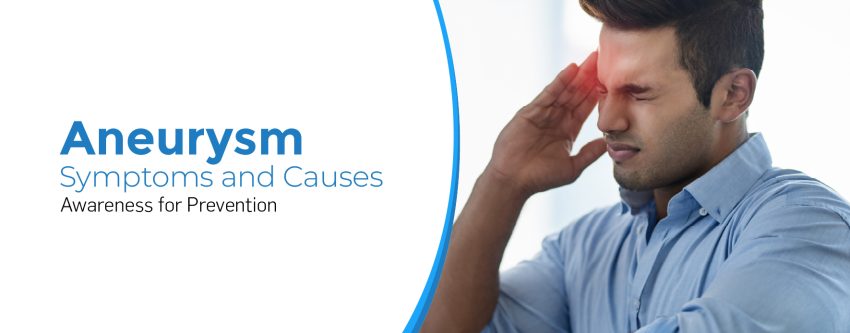
An aneurysm is a serious medical condition that often develops silently, without obvious warning signs. It occurs when a section of a blood vessel weakens and bulges, increasing the risk of rupture. If left untreated, a ruptured aneurysm can cause life-threatening bleeding and sudden medical emergencies.
What makes aneurysms particularly dangerous is that many people are unaware they have one until symptoms suddenly appear. Knowing the causes of aneurysms and recognising early aneurysm symptoms can help prevent complications and save lives. Awareness, regular health checks, and timely medical attention play a vital role in reducing risks and improving outcomes.
What Is an Aneurysm?
An aneurysm develops when the wall of a blood vessel becomes weak and starts to balloon outward. Over time, pressure from blood flow can enlarge this bulge, increasing the risk of rupture.
Aneurysms are classified based on their location:
Brain (Cerebral) Aneurysm
This type occurs in the brain’s blood vessels. If it ruptures, it can lead to bleeding in or around the brain, commonly known as a subarachnoid haemorrhage.
Aortic Aneurysm
An aortic aneurysm affects the aorta, the main artery carrying blood from the heart to the rest of the body. It may occur in the chest (thoracic aortic aneurysm) or abdomen (abdominal aortic aneurysm).
Peripheral Aneurysm
These develop in arteries outside the heart and brain, such as behind the knee or in the neck. They are less likely to rupture but may still cause complications.
Early detection is critical, as aneurysms can often be managed effectively before they become dangerous.
Causes of Aneurysm
Understanding the underlying causes helps identify individuals who may be at higher risk.
Primary Causes
Several medical conditions weaken blood vessel walls over time:
- High blood pressure (hypertension) puts constant stress on the arteries.
- Atherosclerosis, where plaque builds up and damages arterial walls
- Genetic predisposition or family history increases inherited risk.
- Connective tissue disorders, such as Marfan syndrome or Ehlers-Danlos syndrome
These conditions impair the strength and elasticity of blood vessels, increasing the likelihood of aneurysm formation.
Other Risk Factors
Certain lifestyle and demographic factors also contribute:
- Smoking, which damages blood vessels and accelerates atherosclerosis
- Excessive alcohol consumption is linked to blood pressure fluctuations
- Age, with a higher risk in adults over 60
- Gender, with aneurysms slightly more common in men
- Trauma or injury to blood vessels from accidents or surgeries
Studies suggest that abdominal aortic aneurysms occur in approximately 2–4% of men over 65, highlighting the importance of screening in high-risk groups.
Symptoms of an aneurysm
Aneurysm symptoms vary depending on location and whether the aneurysm has ruptured.
General Symptoms Based on Location
- Suddenly, severe headaches, often described as the worst headache of one’s life, may indicate a ruptured brain aneurysm.
- Chest, abdominal, or back pain, which can signal an aortic aneurysm
- Vision problems, speech difficulty, or weakness associated with brain involvement
The Silent Nature of Aneurysms
Many aneurysms cause no symptoms at all until they rupture or grow large enough to press on nearby structures. This is why routine screening is important for people with known risk factors.
Recognising subtle warning signs and seeking medical advice early can significantly improve survival and treatment success.
Diagnosis and Medical Evaluation
Aneurysms are usually diagnosed through imaging tests that allow doctors to see blood vessels clearly.
Common diagnostic tools include:
- CT scans, which provide detailed images of blood vessels and bleeding
- MRI scans help detect brain and soft tissue involvement
- Ultrasound, often used to screen for abdominal aortic aneurysms
People with a family history of aneurysm, long-standing hypertension, or smoking history may benefit from routine screening. Early detection greatly improves treatment options and outcomes.
Prevention and Lifestyle Tips
While not all aneurysms can be prevented, healthy lifestyle choices can reduce risk.
Manage Blood Pressure
Keeping blood pressure under control reduces stress on artery walls and slows aneurysm growth.
Quit Smoking and Limit Alcohol
Stopping smoking significantly lowers aneurysm risk and improves overall vascular health. Alcohol should be consumed in moderation.
Maintain a Healthy Lifestyle
A balanced diet, regular physical activity, and weight management help reduce plaque buildup and improve circulation.
Regular Health Screenings
Individuals with genetic risk or family history should discuss screening options with their doctor.
Manage Stress
Chronic stress is a factor that can increase your blood pressure and contribute to cardiovascular disease. Through relaxation, good sleep habits, and mental wellness, you can promote your vascular and heart health in conjunction with medical treatments for heart disease.
When to See a Doctor?
Immediate medical attention is essential if you experience:
- A sudden, severe headache
- Sharp chest, abdominal, or back pain
- Fainting, confusion, or difficulty speaking.
Even milder new, persistent, or worsening symptoms should not be ignored. Early intervention can prevent rupture and save lives.
Conclusion
Aneurysms can be life-threatening, but awareness of aneurysm causes and early aneurysm symptoms empowers individuals to act before complications arise. Regular health check-ups, managing risk factors, and responding promptly to symptoms are key to prevention.
At Venkateshwar Hospital, we are committed to helping patients stay informed, supported, and protected through expert evaluation and timely care. If you have concerns or risk factors, consulting a specialist early can make all the difference.
FAQs
Can a stress-filled lifestyle cause an aneurysm?
While stress isn’t a direct cause, chronic stress leads to hypertension (high blood pressure), which is a leading contributor to the weakening of arterial walls and aneurysm formation.
Is every aneurysm life-threatening?
Not all aneurysms require surgery. Small, unruptured aneurysms may only require “watchful waiting” with regular imaging, provided the risk of rupture is lower than the risk of surgical complications.
Are brain aneurysms hereditary?
There is a genetic component. If two or more first-degree relatives (parents or siblings) have had an aneurysm, your risk is significantly higher, and medical screening is recommended.
What is the difference between an aneurysm and a stroke?
An aneurysm is a bulge in a blood vessel. A stroke occurs when blood flow to the brain is interrupted. A ruptured brain aneurysm causes a “hemorrhagic stroke” by leaking blood into the brain.
Can exercise prevent an aneurysm?
Moderate exercise helps manage blood pressure and cholesterol, which protects blood vessels. However, if you have a known large aneurysm, doctors may advise against heavy weightlifting or high-intensity strain.
At what size does an abdominal aortic aneurysm (AAA) become dangerous?
Typically, doctors consider surgical intervention when an AAA reaches 5.0 cm to 5.5 cm in diameter, as the risk of rupture increases significantly beyond this point.
Written & Verified By:

Dr. Rakesh Chugh (MBBS, MS, DNB)
Director & HOD Cardio Thoracic & Vascular Surgery
Meet The Doctor