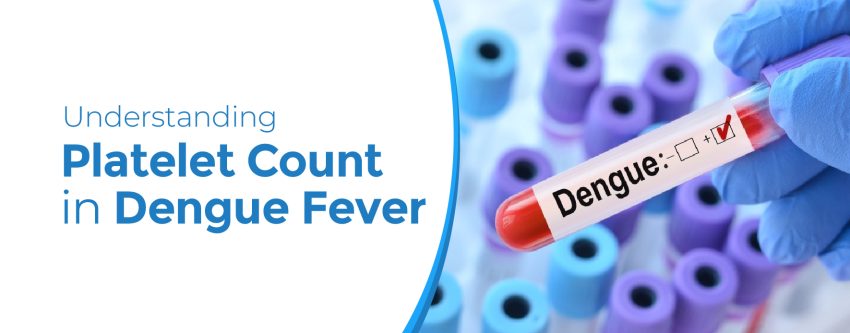
As the monsoon arrives and slowly subsides each year, dengue cases rise at a lightning pace. Dengue is a viral infection caused by the dengue virus, which spreads through the bite of an infected mosquito and can cause conditions ranging from a mild fever to a serious, life-threatening illness. The biggest concern during dengue fever is the dropping level of platelets, which makes both the patient and the entire family panic.
One of the most closely monitored markers in dengue patients is platelet count. Platelets, also known as thrombocytes, play a crucial role in blood clotting and preventing bleeding. A drop in platelet count is a hallmark of dengue infection, but not every decline indicates immediate danger.
What are Platelets?
Blood Platelets, or Thrombocytes as they are technically known, are minute blood cells that play an extremely important role in blood clotting and preventing any sort of bleeding at the injury sites. It helps in wound healing and prevents blood loss from the body after an injury. In a normal healthy person, there are between 1.5 lakh and 4.5 lakh platelets per microlitre of blood.
When the level of platelets in the body falls under the normal range, it is called Thrombocytopenia, also known as low blood platelets.
How Does Dengue Affect Platelets?
The dengue virus affects the bone marrow, which produces platelets in the body. The virus also leads to the death of blood platelets that are already present in the bloodstream. Thus, it is for this reason that many dengue patients experience a drop in their platelet levels as the disease progresses.
A decrease in the number of platelets is expected in dengue, and it typically occurs between days 3 and 7 of the onset of fever. However, low platelets are not always indicative of a serious condition, and doctors always consider several other factors while evaluating the situation, which are: condition of the patient, level of dehydration, presence of blood loss, and the vital signs of the body.
Dengue Symptoms That You Should Not Ignore?
Detecting the symptoms at the earliest and consulting a doctor at the earliest can lead to early diagnosis and treatment of dengue fever and help prevent conditions that arise from the dengue virus, like the dipping of platelets.
The common symptoms include:
- High fever
- Severe headaches
- Pain behind the eyes
- Muscle and joint pain
- Fatigue and weakness
- Nausea and vomiting
- Skin rashes
- Loss of appetite
But in some instances, dengue may convert into a serious condition of severe dengue, which involves;
- Bleeding from gums
- Nose bleeding
- Blood in stool or vomiting
- Severe abdominal pain
- Difficulty in breathing
- Extreme weakness
If you develop any of these symptoms in combination with dropping platelets, then you need to see a doctor immediately.
What constitutes a Low Platelet count?
The level of platelets is diagnosed using a blood platelet test. It is understood in general as follows;
- Normal platelet count-1.5 Lakh-4.5 Lakh
- Mildly Low- 1 lakh-1.5 Lakh
- Moderately low- 50,000-1 Lakh
- Severely low, below 50,000
Many dengue patients get well without any treatment even when the platelet count falls for a temporary period, but the chances of blood loss increase significantly when the platelets fall below 20,000.
When should one be worried about the platelet count in dengue
A plummeting blood platelet count can be a cause for concern if, along with it, several other conditions or signs can alert you.
- Platelet count drops rapidly: If there is a drastic fall in the platelet count over a period of 24-48 hours, this can signify an increase in the spread of dengue infection in the body.
- Symptoms of blood loss: This includes symptoms like bleeding from gums or nose, blood in stool, red spots on the skin, or blood in urine, which are all direct indicators of low platelets in the body.
- Severe weakness and dizziness: If you are feeling very weak, fainting, dizzy, or feel you’re going to faint, it could be due to the blood loss.
- Consistent Vomiting or abdominal pain: These are the first symptoms of dengue escalating into a severe condition of dengue.
- Difficulty in breathing: Leakage of fluid as a part of severe dengue could block respiration and can turn out to be deadly.
The doctors at Venkateshwar Hospital make it a point to consider these symptoms along with the platelet count before formulating a treatment plan for dengue.
Why is regular monitoring of platelet count crucial?
A periodic platelet count is very important to understand the progression of the disease and detect complications that may arise in its course. Platelet counts are highly unpredictable in dengue and can rise and fall very rapidly; regular checkups are crucial even when your initial symptoms of dengue seem mild.
Doctors may also advise:
- Complete blood count
- Haematocrit monitoring
- Liver function tests
Frequent checks help the doctors determine whether the patient needs to be admitted to the hospital or if advanced treatment can be rendered.
Symptoms of Low Platelets in Dengue
One of the most common questions is how to check if the platelets are down in dengue, even without a blood test. Well, there is no way you can test and know that your platelets have dipped or not, but some symptoms do appear that can warn you about your falling platelet count.
They are:
- Easy bruising
- Tiny red spots on the skin
- Bleeding from gums
- Excessive menstrual bleeding (in females)
- Weakness
- Blood in urine or stool
If you experience any such symptoms along with fever during the monsoon, it is crucial to see a doctor.
How to increase the platelet count in Dengue
There is no instantaneous cure for low platelet count in dengue. It only means the supportive care of the body helps recover and increase platelet count over time, and thus the doctor may suggest.
- Adequate amount of liquid: This could be from anything such as water, coconut water, ORS, fruit juices, soup, etc. Hydration is very crucial during dengue treatment.
- Nutritionally balanced diet: food high in vitamins and minerals helps the platelets to produce in higher quantity in the body, this includes the following;
-
- Papaya
- Pomegranate
- Beetroot
- Spinach
- Citrus fruits
- Protein-rich food
- Complete Rest: This allows the immune system to focus and work on killing the virus in your body.
- Avoid certain Medicines: Certain painkillers like ibuprofen or aspirin are known to increase the bleeding from the body, hence are forbidden during dengue. You should always take medicines prescribed by your doctor.
- Visit the Doctor Timely: It is very important to take a step to visit a hospital if the platelet count goes low or develops into a severe dengue infection with extreme signs and symptoms.
Is Platelet Transfusion needed for every Dengue Patient?
Platelet Transfusion is not always necessary for dengue patients. In fact, it can cause more problems rather than benefits in certain situations. In most of the dengue cases, the platelet levels tend to get better on their own. Doctors would prescribe a platelet transfusion only in the following situations:
- The patient is experiencing blood loss
- Platelet counts become critically low.
- The patient has complications related to dengue.
This is where expert and professional doctors at Venkateshwar Hospital are of utmost help to you during Dengue.
Prevention of Dengue Fever
Since dengue fever is transmitted through mosquito bites, it’s very important to prevent these mosquitoes from causing further problems.
1. Preventive measures against mosquito breeding:-
- Do not leave stagnant water in coolers, pots, etc.
- Cover water storage containers in the house properly.
2. Protection from mosquito bites: –
- Wear full-sleeved clothes.
- Use mosquito repellent.
- Use mosquito nets and screens.
3. Hygiene: –
Ensure clean surroundings around your home, as the dengue mosquito usually breeds in clean stagnant water.
Common fever-causing agents during the monsoon
Many infections come to the forefront during the monsoon, out of which Dengue is one, but along with dengue, other fevers are also caused, such as;
- Viral fever
- Malaria
- Typhoid
- Chikungunya
- Flu infection
Since all the symptoms in these diseases are almost the same, a proper test should be carried out for the detection of the illness.
When to Visit a Hospital?
Visit a hospital if:
- The fever stays for more than 2-3 days.
- You develop bleeding symptoms.
- If the platelet count drops rapidly.
- If severe dehydration occurs.
- Difficulty in breathing.
Early diagnosis and detection help prevent such serious issues as Dengue and are thus extremely important to save lives.
Conclusion
When a dengue infection presents with low platelet count, it may be worrisome, but not always. In many patients, the platelet levels can recover with hydration, rest, and constant monitoring. The important thing is to recognise danger signs and seek help when necessary.
Knowing the distinction between minor platelet drops and critical problems allows patients to make appropriate decisions. Consistent platelet testing, awareness of the causes of low platelet count, and prompt treatment are crucial to patient safety and recovery.
Dengue may become lethal if neglected or associated with symptoms such as extreme bleeding or dehydration. Preventive measures against dengue mosquitoes, good personal hygiene, and timely consultation with medical experts help to ward off these dangers.
FAQs
What is the normal range for platelet count in dengue?
Platelet count should normally range from 1.5 Lakh to 4.5 Lakh platelets per microliter of blood. Platelet counts may temporarily decrease during the disease process.
When should I worry about low platelet counts in dengue?
Low platelet counts should cause alarm when they are associated with bleeding, extreme weakness, difficulty in breathing, and a rapid fall in platelet count.
Is it possible for dengue patients to recover without a platelet transfusion?
Many dengue patients recover naturally without a platelet transfusion. Transfusion is carried out only for severe cases.
What are the symptoms of low platelet count?
Symptoms such as bruising, gum bleeding, nose bleeding, skin lesions, and weakness indicate low platelet counts.
How can one boost their platelet count naturally?
Dehydration must be prevented, healthy foods must be consumed, and good rest and the medical doctor’s recommendations must be adhered to.
Which is the mosquito responsible for the spread?
The Aedes mosquito is the most common culprit in dengue spread.
How often should I test my platelets during the dengue illness?
Depending on the patient’s response, physicians may recommend testing every day or every other day.
Is a low platelet count exclusive to dengue infections?
No, low platelet counts are often associated with infections, medications, autoimmune diseases, and other medical conditions related to bone marrow.
Written & Verified By:

Dr. Anil Laul (MBBS, MD)
Director Internal Medicine
Meet The Doctor