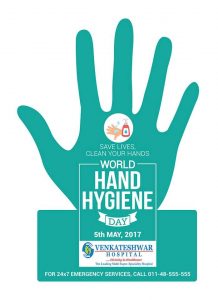
Every year, World Hand Hygiene Day rolls around and reminds us—clean hands can literally save lives. It’s wild how something so basic can be so powerful. Washing your hands is honestly one of the best ways to block infections and stop diseases from spreading, whether you’re at home, at the hospital, or anywhere else.
With germs spreading faster than ever, practicing good hand hygiene and promoting Hand hygiene awareness really matters.
What is World Hand Hygiene Day?
So, what’s World Hand Hygiene Day all about? Well, it’s a global campaign, pushed by the World Health Organization, to get people washing their hands regularly and correctly. The idea is simple: wash your hands at the right moments, and do it the right way, so you don’t pass on nasty infections.
History of World Hand Hygiene Day
A little history—WHO launched its “Save Lives: Clean Your Hands” campaign back in 2009. Since then, it’s evolved into a worldwide movement. Healthcare workers and everyday folks all join in, learning that proper hand-washing can prevent millions of infections every year.
Why Hand Hygiene is so Important
Why does hand hygiene even matter so much? It’s the first line of defense against bad bacteria and viruses. Seriously, it helps knock down the chances of catching (or spreading) things like the flu, stomach bugs, or respiratory illnesses.
Key benefits include:
- Preventing infections and illnesses
- Reducing hospital-acquired infections
- Protecting families and communities
- Improving overall public health
Hand Washing Steps You Should Follow
Following correct hand washing steps is essential for effective hygiene. The proper method includes:
- Wet them with clean, running water.
- Slap on some soap—don’t skimp.
- Rub your palms, backs of your hands, and between your fingers.
- Keep scrubbing for at least 20 seconds.
- Pay attention to your nails and thumbs.
- Rinse till everything’s gone.
- Dry off with a clean towel or just air dry.
These steps stick closely to WHO’s guidelines. If you follow them, you’re way less likely to pass germs around.
Which is Better – Washing Hands with Soap or Using Hand Sanitiser?
Soap and water are best, especially if your hands are visibly dirty. Soap removes dirt, grease, and all sorts of germs. But if you’re out and about and there’s no sink in sight? Sanitiser works. Just make sure it’s got at least 60% alcohol. Soap is king, but sanitiser keeps you covered in a pinch.
Conclusion: Soap and water are always better when available, while sanitiser is a good alternative when washing is not possible.
Hand Hygiene in Healthcare Settings
Hospitals like Venkateshwar Hospital get it—they follow WHO protocols to the letter. Their staff wash up before and after they touch patients, do procedures, pretty much anytime they need to stop germs from spreading. This keeps patients safer, plain and simple.
Outside hospitals, making hand hygiene a habit is huge. Little things like washing your hands before eating, after using the bathroom, after coughing or sneezing, or after touching anything in public can cut down infections big time.
Role of World Hand Hygiene Day in Public Health
World Hand Hygiene Day isn’t just a one-day thing—it kickstarts global conversations about how governments, organizations, and individuals can fight infections. When everyone’s on board, clean hands become a superpower against disease.
Conclusion
World Hand Hygiene Day is a reminder that small actions like proper hand cleaning and following correct hand washing steps can have a big impact on health. By following WHO hand hygiene guidelines, we can prevent infections and protect ourselves and others.
FAQs
1. What is World Hand Hygiene Day?
It’s a global day dedicated to raising awareness about the life-saving impact of hand hygiene.
2. Why should you wash your hands?
Washing your hands regularly gets rid of germs and keeps you from spreading diseases.
3. How to wash hands properly step by step?
To wash hands properly step by step, wet your hands with clean running water, apply enough soap to cover all surfaces, and rub thoroughly—palms, backs of hands, between fingers, and under nails—for at least 20 seconds; then rinse well under running water and dry using a clean towel or air dry.
4. What are the WHO guidelines for hand hygiene?
WHO lays out detailed steps for hand cleaning to keep infections at bay.
5. Is soap better than hand sanitiser?
Yep. Soap and water clean better, but sanitiser’s a solid backup if you can’t wash.
6. How does Venkateshwar Hospital keep things hygienic?
They stick to strict protocols and WHO guidelines to make sure patients stay safe.
Written & Verified By:

Dr. Anil Laul (MBBS, MD)
Director Internal Medicine
Meet The Doctor