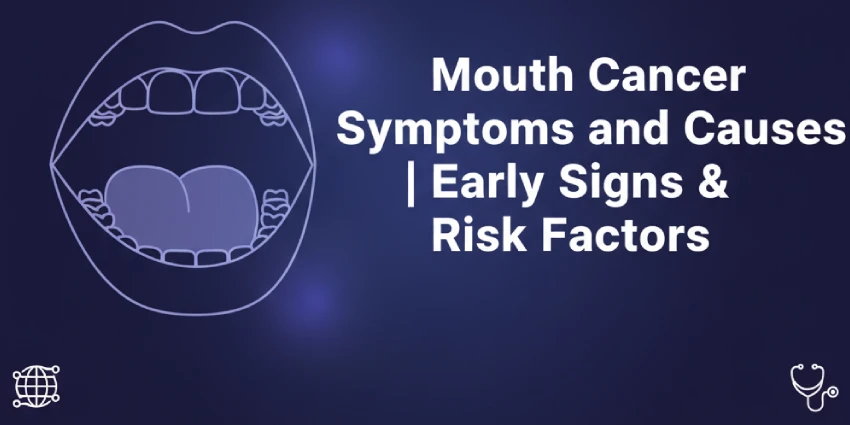
Mouth cancer, also known as oral cancer, can develop in any part of the oral cavity – the lips, tongue, cheeks, or gums. It often begins as a small sore or lesion that refuses to heal and may gradually spread if ignored. Recognising the early symptoms of mouth cancer and understanding its common causes is essential for timely diagnosis and effective treatment.
At Venkateshwar Hospitals, awareness is the first step towards saving lives. Our expert oncologists and advanced cancer care facilities are dedicated to diagnosing, treating, and supporting patients through every stage of their journey. By understanding the symptoms and causes of mouth cancer, you can take proactive steps towards early detection and prevention.
Understanding Mouth Cancer
Mouth (oral) cancer is an abnormal growth of cells in the mouth or throat, most commonly originating in the squamous cells that line the oral cavity. It can affect the lips, tongue, cheeks, gums, hard and soft palate, and throat.
Several factors can increase the risk of developing mouth cancer, including tobacco use, heavy alcohol consumption, excessive sun exposure, and certain strains of HPV. Early symptoms may be subtle and include sores that do not heal, lumps, white or red patches, numbness, difficulty chewing or swallowing, and persistent bad breath.
When detected early, treatment has a higher chance of success, often involving surgery, radiation, or chemotherapy. Recognising changes in the mouth promptly is crucial for achieving better outcomes and recovery.
Early Symptoms of Mouth Cancer
Recognising the early signs of mouth cancer can ensure timely diagnosis and treatment.
1. Visible Changes in the Mouth
Non-healing sores or ulcers lasting more than two weeks are common symptoms. You may also notice white (leukoplakia) or red (erythroplakia) patches that do not fade with regular oral care.
2. Physical Discomforts
Persistent pain, irritation, or numbness in the mouth should not be ignored. Difficulty chewing, swallowing, or moving the jaw or tongue may also indicate a problem.
3. Functional Symptoms
Loose dentures, unexplained bleeding, or changes in speech can be warning signs.
4. Other Warning Signs
A persistent sore throat, ear pain, or lumps in the mouth or neck require prompt medical attention.
If you notice any of these symptoms, consult the cancer specialists at Venkateshwar Hospitals for expert diagnosis and timely, personalised treatment.
Common Causes and Risk Factors of Mouth Cancer
Understanding what increases the risk of mouth cancer can help in prevention and early action.
1. Lifestyle-Related Causes
Tobacco use, including both smoking and chewing, is one of the primary causes of mouth cancer. Excessive alcohol consumption, particularly when combined with tobacco, further raises the risk. Poor oral hygiene and chronic irritation from ill-fitting dentures can also contribute.
2. Biological and Medical Risk Factors
Certain infections, such as Human Papillomavirus (HPV), particularly HPV-16, are linked to a higher risk of oral cancers. A weakened immune system, whether due to illness or medication, also makes individuals more vulnerable.
3. Environmental and Dietary Factors
Prolonged sun exposure can increase the risk of lip cancer. Similarly, a diet low in fruits and vegetables may reduce the body’s natural protection against cancer-causing agents.
Who is Most at Risk?
People aged 40 years and above are at higher risk, with men more commonly affected than women. Those with a family history of cancer, or who work in environments involving chemical or metal exposure, must be extra cautious and opt for regular screenings.
When to See a Doctor?
Seek immediate medical attention if mouth ulcers or patches persist for over two weeks, or if you experience swelling, pain, or difficulty in eating or speaking. Early detection significantly improves survival rates and treatment success.
At Venkateshwar Hospitals, our team of specialised oncologists ensures comprehensive diagnosis and personalised care for every patient.
Diagnosis and Screening of Mouth Cancer
Early detection significantly improves treatment outcomes. At Venkateshwar Hospitals, we follow advanced protocols to provide timely and accurate diagnosis.
1. Our Screening and Diagnostic Approach
We combine thorough clinical oral examinations with fluorescence technology (Oral ID) to identify abnormal or precancerous areas at the earliest stage. Suspicious lesions are examined through biopsies in our fully automated histopathology laboratory. Immunohistochemistry and imaging tests such as CT, MRI, and PET scans help us accurately stage the cancer, while molecular testing allows precise genetic profiling to guide personalized treatment plans.
2. Comprehensive Oncology Services
Our hospital offers a full range of diagnostics, including tumour marker tests, following international guidelines to ensure high-risk patients receive prompt attention. Preventive health check-ups assess individual risk factors, such as tobacco and alcohol use, and HPV exposure, to help reduce late detection.
Prevention Tips for Mouth Cancer
- Quit smoking and all forms of tobacco.
- Limit alcohol intake.
- Protect your lips from excessive sun exposure.
- Maintain good oral hygiene.
- Eat a balanced diet rich in fruits and vegetables.
- Consider regular screenings at cancer-specialist hospitals such as Venkateshwar Hospitals.
How Venkateshwar Hospitals Helps in Mouth Cancer Care?
We provide comprehensive mouth cancer care through an integrated, multidisciplinary approach combining advanced diagnostics, expert treatments, and supportive care.
1. Advanced Diagnostics
Our pathology lab offers rapid biopsy analysis, immunohistochemistry, and molecular testing for accurate cancer profiling. Imaging services such as PET-CT, MRI, and CT scans ensure precise staging and treatment planning.
2. Surgical and Medical Oncology
Our specialised team performs tumour removal, reconstructive, and minimally invasive robotic-assisted surgeries. Chemotherapy, targeted therapy, and immunotherapy are personalised based on molecular diagnostics for optimal outcomes.
3. Radiation Therapy and Protocol-Based Care
Using advanced, computer-planned radiation therapy, we target tumours effectively while preserving healthy tissue, following international standards for evidence-based care.
4. Supportive and Palliative Care
Comprehensive pain management, nutritional support, and rehabilitation services are provided to improve quality of life throughout treatment.
5. Research, Collaboration, and Prevention
We engage in clinical research and collaborate with national and international cancer institutes. Screening camps and public awareness initiatives educate high-risk populations about oral cancer risk factors such as tobacco and alcohol use.
Conclusion
Recognising the early symptoms and understanding the common causes of mouth cancer can make all the difference. Staying vigilant, maintaining a healthy lifestyle, and opting for regular screenings are key to early diagnosis and recovery.
Frequently Asked Questions
1. What are the earliest symptoms of mouth cancer?
Non-healing ulcers, red or white patches, persistent mouth pain, and unexplained bleeding are some of the earliest symptoms.
2. Can mouth ulcers be a sign of cancer?
While most ulcers are harmless, a sore that does not heal within two weeks should be checked by a doctor to rule out cancer.
3. What are the leading causes of mouth cancer in India?
Tobacco use, alcohol consumption, HPV infection, and poor oral hygiene are among the leading causes.
4. Is mouth cancer preventable?
Yes. Avoiding tobacco, pan, and alcohol, maintaining good oral hygiene, and eating a healthy diet can significantly reduce your risk.
5. How is mouth cancer diagnosed?
Diagnosis involves an oral examination, a biopsy, and imaging tests such as a PET scan, CT scan, or MRI scan.
6. Which doctor should I consult for mouth cancer symptoms?
Consult an oncologist or oral cancer specialist for an accurate diagnosis and treatment.
7. Does Venkateshwar Hospitals offer mouth cancer screening?
Yes, Venkateshwar Hospitals provides advanced oral cancer screening and diagnostic facilities for early detection.
Medically Reviewed by — Dr. Siddharth Sahai ( Director – Medical Oncology )