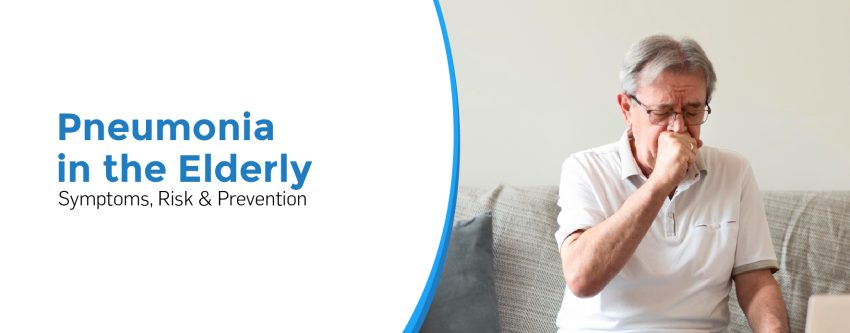
Pneumonia is a serious respiratory infection that can have life-threatening consequences, particularly in older adults. As people age, the immune system naturally becomes weaker, making it more difficult for the body to fight infections. Additionally, many elderly individuals have chronic medical conditions that increase their vulnerability to respiratory illnesses.
Recognising the early warning signs of pneumonia and seeking prompt medical care can significantly improve recovery and reduce the risk of complications. Understanding the causes, risk factors, preventive measures, and treatment options is essential for protecting the health of ageing adults.
What is Pneumonia?
Pneumonia is an infection that causes inflammation in one or both lungs. The air sacs (alveoli) become filled with fluid or pus, making breathing difficult and reducing the amount of oxygen reaching the bloodstream.
The infection may be caused by bacteria, viruses, fungi, or, less commonly, other microorganisms. While pneumonia can affect people of any age, older adults are at a much higher risk of severe illness and hospitalisation.
Why Are Elderly People More Vulnerable?
Several age-related factors increase the likelihood of developing pneumonia, including:
- A weakened immune system
- Chronic illnesses such as diabetes, heart disease, or chronic obstructive pulmonary disease (COPD)
- Reduced lung function
- Difficulty swallowing, increasing the risk of aspiration
- Poor nutritional status
- Reduced mobility and prolonged bed rest
Because symptoms may be less obvious in seniors, pneumonia is sometimes diagnosed later than expected.
Pneumonia Causes
The most common pneumonia causes include:
- Bacterial infections, especially Streptococcus pneumoniae
- Viral infections such as influenza or respiratory syncytial virus (RSV)
- Fungal infections in people with weakened immunity
- Aspiration of food, liquids, or saliva into the lungs
- Hospital-acquired infections
Understanding the underlying cause helps doctors determine the most appropriate treatment plan.
Symptoms of Pneumonia
The symptoms of pneumonia may vary depending on the severity of the infection and the patient’s overall health. Common symptoms include:
- Persistent cough
- Fever or chills
- Difficulty breathing
- Chest pain while breathing or coughing
- Fatigue and weakness
- Loss of appetite
- Confusion or sudden changes in mental status, particularly in older adults
Unlike younger individuals, elderly patients may not always develop a high fever, making early recognition even more important.
Signs of Pneumonia That Should Never Be Ignored
Early diagnosis greatly improves outcomes. Common signs of pneumonia include:
- Rapid breathing
- Shortness of breath during routine activities
- Persistent cough with mucus
- Bluish lips or fingertips due to low oxygen levels
- Increased sleepiness or confusion
- Sudden worsening of existing respiratory conditions
Immediate medical evaluation is recommended if these symptoms develop.
Signs of Chest Infection
Pneumonia often begins as a respiratory illness that progresses into a serious infection. Common signs of chest infection include:
- Wheezing
- Chest tightness
- Thick yellow or green sputum
- Persistent cough lasting several days
- Difficulty taking deep breaths
Prompt treatment can help prevent complications.
Risk Factors for Pneumonia in Older Adults
Certain factors significantly increase the risk of developing pneumonia:
- Age above 65 years
- Smoking history
- Chronic heart or lung disease
- Diabetes
- Kidney or liver disease
- Weak immune system
- Stroke or neurological disorders affecting swallowing
- Living in nursing homes or long-term care facilities
People with multiple risk factors should remain especially vigilant during the flu and winter seasons.
Possible Complications
Without timely treatment, pneumonia can lead to serious complications, including:
- Respiratory failure
- Sepsis
- Pleural effusion
- Lung abscess
- Worsening of chronic heart disease
- Prolonged hospitalisation
Older adults are also at greater risk of functional decline following severe pneumonia.
How is Pneumonia Diagnosed?
Doctors diagnose pneumonia using a combination of:
- Detailed medical history
- Physical examination
- Chest X-ray
- Blood tests
- Sputum examination
- Pulse oximetry
- CT scan in selected cases
Early diagnosis allows treatment to begin before complications develop.
Pneumonia Treatment
The approach to pneumonia treatment depends on the cause and severity of the infection. Treatment may include:
- Antibiotics for bacterial pneumonia
- Antiviral medications when appropriate
- Oxygen therapy
- Fever-reducing medications
- Adequate hydration
- Rest and nutritional support
- Hospitalisation for severe cases
Most patients recover well when treatment begins early.
Role of Physiotherapy During Recovery
Physiotherapy is often recommended during recovery, especially for elderly patients who experience prolonged weakness or reduced lung function. Chest physiotherapy techniques, breathing exercises, and gradual mobility programs help clear mucus, improve breathing efficiency, restore physical strength, and reduce the risk of future respiratory complications.
Preventing Lung Infection in Older Adults
Preventing a lung infection is often easier than treating one. Important preventive measures include:
- Annual influenza vaccination
- Pneumococcal vaccination
- Frequent hand washing
- Maintaining good oral hygiene
- Eating a balanced diet
- Staying physically active
- Avoiding smoking and second-hand smoke
- Managing chronic medical conditions effectively
These simple steps can substantially reduce the risk of respiratory infections.
Importance of Regular Health Screening
Routine health checkups help detect chronic diseases that increase pneumonia risk and ensure vaccinations remain up to date. Regular medical evaluations also allow healthcare providers to monitor lung function and overall health in elderly individuals.
When Should You Seek Immediate Medical Attention?
Seek urgent medical care if an elderly person develops:
- Severe difficulty breathing
- Chest pain
- Bluish lips or fingers
- Persistent high fever
- Sudden confusion
- Extreme weakness
- Low oxygen levels
Early intervention can be lifesaving.
Why Choose Expert Respiratory Care?
Managing pneumonia requires timely diagnosis and expert care. Consulting an experienced lung specialist in Delhi ensures accurate diagnosis, advanced investigations, personalised treatment plans, and comprehensive follow-up care, especially for elderly patients with complex medical conditions.
Conclusion
Pneumonia remains one of the most serious respiratory infections affecting older adults, but early recognition and timely treatment can significantly improve outcomes. Understanding the symptoms, recognising warning signs, managing risk factors, and following preventive measures are essential for protecting elderly family members. Vaccination, healthy lifestyle choices, and regular medical care all play an important role in reducing the burden of pneumonia.
Frequently Asked Questions (FAQs)
What is pneumonia?
Pneumonia is an infection that inflames the air sacs in one or both lungs, making breathing difficult.
Why is pneumonia more dangerous in elderly people?
Older adults often have weaker immune systems and chronic illnesses, increasing the risk of severe infection and complications.
Can pneumonia be prevented?
Yes. Vaccination, good hygiene, healthy nutrition, regular exercise, and avoiding smoking significantly reduce the risk.
How long does recovery usually take?
Recovery depends on age, overall health, and severity of infection. Mild cases may recover within a few weeks, while severe cases may take longer.
Is hospitalization always necessary?
No. Mild cases can often be treated at home, but severe pneumonia may require hospitalization and oxygen support.
When should I consult a doctor?
If you experience persistent cough, fever, breathing difficulty, chest pain, or confusion, it is important to find a doctor promptly for evaluation.
Can pneumonia recur?
Yes. Individuals with chronic illnesses, weakened immunity, or smoking history may experience recurrent episodes.
How can I schedule a consultation?
If you or a loved one develops symptoms suggestive of pneumonia, Book an Appointment with a respiratory specialist for early diagnosis and appropriate treatment.
Written & Verified By:

Dr. Pratibha Gogia (MBBS, DNB)
Director & HOD Pulmonology & Sleep Medicine
Meet The Doctor