Bone pain is often dismissed as a natural part of ageing or fatigue, but in many cases, it may be linked to vitamin D deficiency. This essential nutrient helps the body absorb calcium and phosphorus, two minerals that are crucial for maintaining strong and healthy bones.
Without sufficient vitamin D, bones become weak, muscles lose strength, and daily activities can become increasingly uncomfortable. Understanding the causes, symptoms, and treatment options can help you take the right steps toward better bone health.
What is Vitamin D Deficiency?
Vitamin D deficiency occurs when the body does not have enough vitamin D to maintain normal bone metabolism and calcium balance. Vitamin D is naturally produced in the skin when exposed to sunlight and is also obtained through certain foods and supplements.
When levels fall below the recommended range, the body struggles to absorb calcium efficiently, increasing the risk of bone pain, osteoporosis, fractures, and muscle weakness.
Why Does Vitamin D Deficiency Cause Bone Pain?
Vitamin D helps regulate calcium absorption in the intestines. Without enough vitamin D, the body begins to draw calcium from the bones to maintain normal blood calcium levels.
Over time, this process weakens bones, making them softer and more prone to pain, tenderness, and fractures. Many people experience discomfort in the lower back, hips, legs, ribs, and joints before realising the underlying cause.
Common Vitamin D Deficiency Causes
Several factors can contribute to inadequate vitamin D levels, including:
- Limited exposure to sunlight
- Wearing clothing that blocks sun exposure
- Darker skin pigmentation
- Ageing, which reduces vitamin D production
- Poor dietary intake
- Obesity
- Kidney or liver disorders
- Digestive conditions that reduce nutrient absorption, such as celiac disease or Crohn’s disease
- Certain medications that interfere with vitamin D metabolism
Understanding these vitamin D deficiency causes can help identify people who may be at greater risk.
Who Is at Higher Risk?
Some individuals are more likely to develop vitamin D deficiency, including:
- Older adults
- Pregnant and breastfeeding women
- People who spend most of their time indoors
- Individuals with obesity
- People with chronic kidney or liver disease
- Strict vegetarians or vegans
- Individuals with malabsorption disorders
Symptoms You Should Not Ignore
Many people do not realise they have low vitamin D because symptoms often develop gradually.
Some common low vitamin D symptoms include:
- Persistent bone pain
- Muscle weakness
- Fatigue
- Frequent illness
- Back pain
- Joint discomfort
- Difficulty climbing stairs
- Mood changes
- Slow wound healing
- Hair thinning
Recognising these symptoms early can help prevent complications.
14 Signs That May Indicate Vitamin D Deficiency
Healthcare professionals often look for a combination of symptoms rather than a single sign. Here are the 14 signs of vitamin D deficiency that may indicate the need for evaluation:
- Persistent bone pain
- Muscle weakness
- Frequent fractures
- Chronic fatigue
- Lower back pain
- Joint stiffness
- Difficulty walking
- Frequent infections
- Poor balance
- Slow healing of wounds
- Hair loss
- Mood changes
- Reduced muscle strength
- General body aches
While these symptoms may have multiple causes, they should not be ignored.
Understanding Other Warning Signs
There are several signs of vitamin D deficiency that may overlap with other nutritional deficiencies, making diagnosis challenging. Healthcare providers often recommend blood testing to determine vitamin D levels before starting treatment.
Likewise, some general signs of vitamin deficiency, such as fatigue, muscle weakness, poor immunity, and reduced energy, can also indicate inadequate levels of other essential nutrients. A proper medical evaluation helps identify the exact deficiency.
Vitamin D3 Deficiency Symptoms
Vitamin D3 is the form of vitamin D naturally produced in the skin after sunlight exposure. Vitamin D3 deficiency symptoms commonly include:
- Deep bone aches
- Muscle cramps
- Weakness during physical activity
- Increased risk of falls
- Poor posture due to muscle weakness
- Difficulty performing daily tasks
These symptoms are especially common among older adults.
How Is Vitamin D Deficiency Diagnosed?
Doctors typically diagnose vitamin D deficiency through:
- Medical history
- Physical examination
- Blood test measuring 25-hydroxy vitamin D levels
- Calcium and phosphorus tests (when necessary)
- Bone density scan in high-risk individuals
Early diagnosis allows timely treatment and reduces the risk of long-term bone complications.
Vitamin D Deficiency Treatment
The best vitamin D deficiency treatment depends on the severity of the deficiency and the individual’s age, medical condition, and overall health.
Treatment may include:
- Prescription vitamin D supplements
- Lifestyle modifications
- Increased sunlight exposure
- Dietary improvements
- Regular monitoring of vitamin D levels
Patients should never self-medicate with high-dose supplements without consulting a healthcare professional, as excessive vitamin D can also cause health problems.
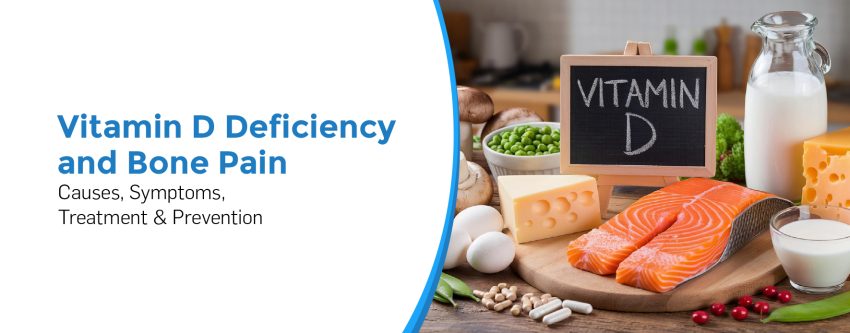
Foods Rich in Vitamin D
Adding vitamin D-rich foods to your diet can help maintain healthy levels.
Good sources include:
- Fatty fish (salmon, sardines, tuna)
- Egg yolks
- Fortified milk
- Fortified cereals
- Cheese
- Mushrooms exposed to sunlight
- Fortified yoghurt
A balanced diet combined with safe sunlight exposure supports healthy vitamin D levels.
The Role of Supplements
For people unable to meet their vitamin D needs through food and sunlight alone, doctors may recommend a vitamin D deficiency supplement. The dosage depends on laboratory findings, age, body weight, and underlying medical conditions.
Always follow your physician’s advice regarding dosage and duration.
Why Vitamin D Matters for Bone and Joint Health
Adequate vitamin D for bones and joints is essential because it:
- Improves calcium absorption
- Maintains bone density
- Reduces fracture risk
- Supports muscle strength
- Improves balance
- Helps maintain joint function
- Reduces the likelihood of falls in older adults
Healthy vitamin D levels contribute significantly to lifelong mobility and independence.
Tips to Prevent Vitamin D Deficiency
You can reduce your risk by following these healthy habits:
- Spend 15–30 minutes in sunlight several days a week (depending on skin type and weather)
- Eat foods naturally rich in vitamin D
- Maintain a balanced diet with adequate calcium
- Stay physically active
- Maintain a healthy body weight
- Get routine health check-ups if you are at higher risk
- Take supplements only under medical supervision
When Should You See a Doctor?
Consult a healthcare provider if you experience:
- Persistent bone pain
- Muscle weakness affecting daily activities
- Frequent fractures
- Chronic fatigue
- Difficulty walking
- Ongoing joint discomfort
- Risk factors for vitamin D deficiency
Prompt evaluation can help prevent complications such as osteoporosis and fractures.
Conclusion
Vitamin D is one of the most important nutrients for maintaining strong bones, healthy muscles, and overall physical well-being. Bone pain should never be ignored, especially if it persists without an obvious cause. Early diagnosis, proper nutrition, appropriate sunlight exposure, and medical guidance can effectively manage deficiency and protect long-term bone health. If you suspect low vitamin D levels, consult your healthcare provider for testing and personalised treatment.
Frequently Asked Questions (FAQs)
Can vitamin D deficiency cause severe bone pain?
Yes. Low vitamin D levels reduce calcium absorption, leading to weakened bones that may become painful and more susceptible to fractures.
How is vitamin D deficiency diagnosed?
It is usually diagnosed through a blood test measuring 25-hydroxyvitamin D levels, along with a clinical assessment by a doctor.
How long does it take to recover from vitamin D deficiency?
Recovery varies depending on the severity of the deficiency and the treatment plan. Many people notice improvement within a few weeks to months after appropriate therapy.
Which foods are rich in vitamin D?
Fatty fish, egg yolks, fortified dairy products, fortified cereals, mushrooms, and fortified yoghurt are good dietary sources of vitamin D.
Can I get enough vitamin D from sunlight alone?
Many people can maintain healthy levels through safe sun exposure, but factors such as age, skin tone, season, clothing, and lifestyle may reduce vitamin D production.
Is it safe to take vitamin D supplements every day?
Daily supplementation may be appropriate for some individuals, but the dosage should be determined by a healthcare provider based on blood test results.
Who is most likely to develop vitamin D deficiency?
Older adults, people with limited sun exposure, individuals with obesity, pregnant women, people with digestive disorders, and those with kidney or liver disease are at higher risk.
Can vitamin D deficiency be prevented?
Yes. A healthy diet, regular exposure to sunlight, physical activity, and medical advice regarding supplementation can help maintain adequate vitamin D levels and support lifelong bone health.
Is vitamin D important only for bones?
No. It also supports immune function, muscle strength, nerve health, and overall well-being.
When should I consult a doctor?
If you experience persistent bone pain, muscle weakness, fatigue, or frequent fractures, seek medical evaluation for appropriate diagnosis and treatment.
Written & Verified By:

Dr. Anil Laul (MBBS, MD)
Director Internal Medicine
Meet The Doctor