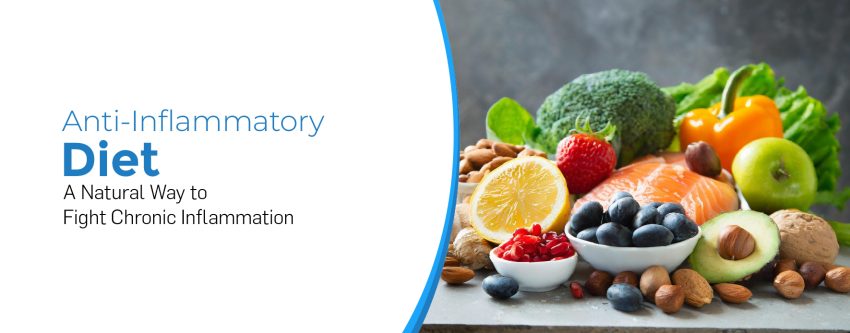
Chronic inflammation can be cured by following an anti-inflammatory diet. An anti-inflammatory diet is high in antioxidants, polyphenols, and omega-3 fatty acids. Focus on whole nutrient diets, e.g., fruits and vegetables, fish, nuts, and healthy oils, to reduce inflammation and disease risk.
What Is Chronic Inflammation?
It’s a prolonged, harmful immune response lasting months or years, where the body remains on high alert, damaging healthy tissues/ organs.
Chronic inflammation also causes persistent fatigue, pain, and digestive issues. It is linked to diseases such as diabetes, cancer, and heart disease.
Symptoms:
Common signs include, but are not limited to fatigue, body pain, anxiety, gastrointestinal issues, constipation, diarrhoea, and unintentional weight loss.
Causes and risk factory
- Untreated infection: An infection that doesn’t go away, such as a persistent viral or bacterial agent.
- Autoimmune disorders: The immune system’s inflammatory attacks healthy tissues (e.g., Rheumatoid arthritis, lupus)
- Lifestyle and environmental: Obesity, chronic stress, smoking, alcohol use, and exposure to environmental pollutants.
Associated disease
Chronic inflammation contributes to cardiovascular disease, type 2 diabetes, cancer, arthritis, and neurodegenerative diseases like Alzheimer’s, etc.
Key component of an anti-inflammatory diet
- Fruits and vegetables: Aim for colour-packed options like berries (blueberries, raspberries)
- Leafy green (spinach, kale), cruciferous veggies (broccoli, cauliflower)
- Healthy fats and omega-3: fatty fish such as salmon, mackerel.
- Include plant-based options: walnuts, chia seeds, flax seeds, olive oil
- Legumes and whole grains: Lentils, beans, oats, quinoa, and brown rice
- Spices and herbs: turmeric, ginger, garlic, and cinnamon have strong anti-inflammatory properties.
- Beverages: Green tea, cinnamon water, Turmeric Milk.
Foods to be Avoided
- Sugar and refined carbohydrates: soda, candy, white bread, and pastries
- Processed meats: Hot dogs, sausages, and processed food
- Trans and saturated fats
- Fried foods
Potential benefits
Reduce the risk of chronic conditions like heart disease, diabetes, arthritis, and depression.
Tips to maintain a healthy lifestyle:
- Include a wide range of anti-inflammatory foods in the diet.
- Always choose natural and fresh food.
- Local and sessional foods should be included.
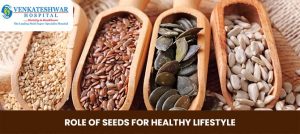
- Include Seeds for a healthy lifestyle in your diet regularly.
- Stay hydrated.
- Avoid processed foods and sugary drinks.
- Exercise regularly.
- Try stress-reducing activities.
Importance of diet and health:
The food that we eat daily has the potential to either enhance your health or worsen your condition. Experts at Venkateshwar Hospital have emphasised that the combined effort of both a healthy diet and lifestyle help in controlling inflammation and increasing your life quality.
When to see a doctor
- Persistent fatigue
- Joint pain
- Digestion problems
- Frequent illness
Visiting the doctor at the earliest will help in the proper treatment and control of such ailments.
Frequently Asked Questions (FAQs)
What are the best anti-inflammatory foods?
The best anti-inflammatory foods include fruits, vegetables, nuts, seeds, whole grains, fatty fish, and healthy oils like olive oil, herbs,spiecs and condiments
Which foods cause inflammation?
Foods that cause inflammation include processed foods, sugary drinks, fried items, refined carbs, red meat, packed foods.
Can an anti-inflammatory diet help with weight loss?
Yes, an anti-inflammatory diet promotes a balanced intake of nutrients and helps in maintaining a healthy weight.
What are anti-inflammatory drinks?
There are many Anti-inflammatory drinks available, such as green tea, turmeric milk, ginger tea, herbal teas, cinnamon water, etc., that help reduce inflammation.
Are seeds beneficial for reducing inflammation?
Yes, Seeds for a Healthy Lifestyle should be included, like flaxseeds, chia seeds, which are rich in nutrients and help reduce inflammation.