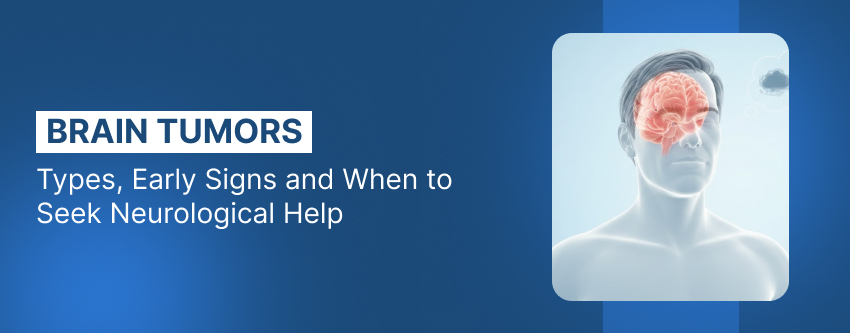
A brain tumour occurs when abnormal cells grow inside or around the brain. These growths can form in brain tissue or nearby areas like nerves, the pituitary gland or the protective membranes around the brain. Some tumours grow slowly and are non-cancerous, while others can be fast-growing and malignant.
Early detection is crucial because even benign tumours can affect vital brain functions by putting pressure on important areas. Let’s explore the different types of brain tumours, the early warning signs to watch for and when you should consult a neurologist.
What is a Brain Tumour?
A brain tumour is a lump or mass caused by abnormal cell growth. Tumours can be:
- Benign (non-cancerous): Usually slow-growing and less likely to spread, but they can still affect brain function.
- Malignant (cancerous): Grow more quickly and can invade healthy brain tissue.
Tumours that start in the brain are called primary brain tumours, while those that spread from other parts of the body are secondary or metastatic tumours.
Types of Brain Tumors
Benign vs. Malignant
- Benign tumours such as meningiomas and acoustic neuromas often grow slowly.
- Malignant tumours such as glioblastomas and medulloblastomas are aggressive and may spread.
Location Matters
The symptoms often depend on where the tumour develops:
- Tumours in the frontal lobe may affect thinking, behaviour, and movement.
- Tumours near the optic nerve may cause vision loss or blurred vision.
- Tumours in the cerebellum can lead to coordination and balance problems.
Primary vs. Metastatic
- Primary brain tumours start within the brain itself, examples include gliomas and pituitary tumours.
- Metastatic brain tumours occur when cancers from other parts of the body, such as the lungs or breasts, spread to the brain.
Early Signs and Symptoms of Brain Tumors
1. Headaches
Frequent or worsening headaches, particularly those that are worse in the morning or wake you at night.
2. Seizures
New seizures in adults or unexplained episodes of shaking or loss of awareness.
3. Vision Problems
Blurred or double vision, or partial vision loss.
4. Cognitive and Behavioural Changes
Memory difficulties, confusion, personality changes, or unusual behaviour.
5. Speech and Hearing Difficulties
Difficulty understanding or speaking words, or unexplained hearing loss.
6. Nausea and Vomiting
Ongoing nausea or vomiting, especially if worse in the morning.
7. Balance and Coordination Problems
Trouble walking, dizziness, or loss of coordination.
8. Weakness or Numbness
Numbness or weakness in an arm, leg, or one side of the body.
9. Fatigue
Persistent tiredness or lack of energy that interferes with daily activities.
When Should You See a Neurosurgeon?
You should consider medical assessment if you experience:
- Persistent or worsening headache with vomiting.
- Sudden seizures or fainting.
- Gradual loss of vision or hearing.
- Difficulties with coordination, memory, or speech.
- Any unusual neurological changes without a clear cause.
Diagnosis and Tests for Brain Tumours
1. Medical History and Physical Examination
A doctor may review symptoms and perform a physical and neurological examination.
2. Imaging Tests
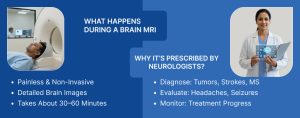
MRI or CT scans are commonly used to detect tumours and determine their size and location.
3. Biopsy
A small sample of tumour tissue may be taken to confirm the type and grade.
4. Neurological Function Tests
Tests may assess memory, speech, balance, and reflexes to understand how the tumour is affecting brain function.
Treatment Options Based on Tumor Type
Treatment depends on the specific brain tumour types, their size, location, and the patient’s overall health. Options include:
- Surgery to remove as much of the tumour as safely possible.
- Radiation therapy is used to destroy cancer cells or shrink the tumour.
- Chemotherapy uses drugs to target cancer cells.
- Targeted therapy and immunotherapy for specific tumour types.
- Monitoring (active surveillance) for small, non-aggressive tumours.
Conclusion
Brain tumours vary widely in type, growth rate, and effect on health. Recognising early symptoms such as persistent headaches, seizures, or cognitive changes can make a critical difference. If you experience unusual neurological symptoms, it is important to seek help from a specialist. Early detection and treatment tailored to specific brain tumour types provide the best chance for improved outcomes and quality of life.
Frequently Asked Questions
1. What are the most common brain tumour types?
The most common brain tumour types include meningiomas, gliomas, pituitary tumours, and acoustic neuromas. Among malignant tumours, glioblastoma is one of the most frequent and aggressive.
2. Are all brain tumours cancerous?
No, not all brain tumours are cancerous. Some are benign, meaning they grow slowly and are less likely to spread. However, even benign tumours can cause health problems if they press on important areas of the brain.
3. What are the early warning signs of a brain tumour?
Early symptoms may include frequent headaches with vomiting, vision problems, memory difficulties, unexplained seizures, and changes in behaviour. Symptoms vary depending on the tumour’s size and location.
4. How are brain tumours diagnosed?
Doctors usually begin with a neurological examination followed by imaging tests such as MRI or CT scans. In some cases, a biopsy may be required to confirm the tumour type and whether it is benign or malignant.
5. Can brain tumours be treated without surgery?
Yes, depending on the tumour type and location, treatment may involve radiation therapy, chemotherapy, targeted therapy, or immunotherapy. Small, non-aggressive tumours may sometimes be monitored instead of immediately removed.
6. What causes brain tumours?
The exact cause is not always clear. Brain tumours develop when abnormal cell growth occurs in the brain. Genetic changes, family history, and environmental factors such as radiation exposure may increase risk.
7. When should I see a doctor about possible brain tumour symptoms?
If you experience persistent headaches, sudden seizures, unexplained vision or hearing problems, or changes in memory, speech, or coordination, it is important to consult a doctor promptly for evaluation.
Medically Reviewed by— Dr. Peeyush Tomar (Consultant – Neurosurgery & Neurointervention)