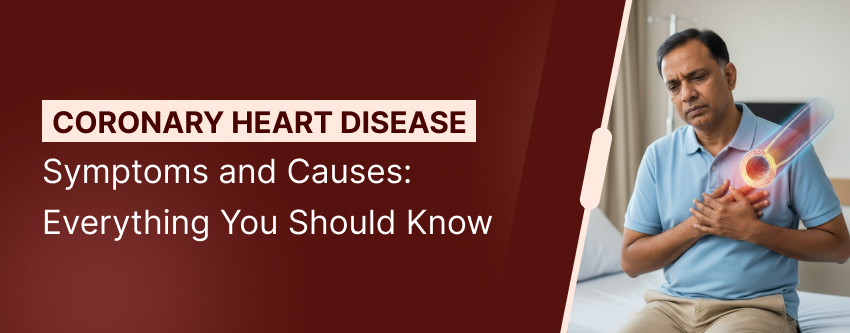
Today, with changing lifestyles and health habits, heart disease has become increasingly common. Coronary Heart Disease (CHD) is one of the leading causes of heart-related deaths globally. It develops when the arteries supplying blood to the heart become narrowed or blocked, reducing the flow of oxygen-rich blood.
This is why understanding coronary heart disease causes and recognising early symptoms is essential for timely detection and prevention. Ignoring initial warning signs can lead to severe complications such as heart attacks and heart failure. By understanding the key symptoms and causes, you can take informed steps to protect your heart and enhance your overall health.
What Is Coronary Heart Disease?
CHD typically develops when plaque — a sticky mixture of fat, cholesterol, and other substances — builds up inside the coronary arteries. This accumulation causes the arteries to narrow and stiffen, restricting blood flow to the heart.
As oxygen supply to the heart decreases, it struggles to function efficiently during physical activity or periods of stress. Over time, this may result in coronary heart disease symptoms such as chest pain, tiredness, or shortness of breath.
CHD progresses gradually and often goes unnoticed until a major cardiac event occurs, which is why regular heart screenings are essential.
Causes of Coronary Heart Disease
Below are the key coronary heart disease causes:
1. Atherosclerosis (Plaque Buildup in Arteries)
This is the most common cause of CHD. Plaque builds up along artery walls, narrowing the passageway for blood flow. Over time, it hardens the arteries and reduces oxygen supply to the heart.
2. High Blood Pressure
Uncontrolled high blood pressure damages the arteries. High blood pressure damages arteries through endothelial dysfunction and vascular remodelling, promoting plaque formation.
3. High Cholesterol / Diet
Excess LDL contributes to the formation of fatty deposits in the arteries. Diets high in saturated and trans fats raise LDL cholesterol, excess salt elevates blood pressure, and excess sugar contributes to metabolic risks that increase CHD.
4. Lifestyle Factors
Unhealthy lifestyle habits significantly influence coronary heart disease causes:
- Smoking: Damages blood vessels and lowers oxygen levels.
- Poor Diet: High intake of fats, salt, and sugar increases plaque buildup.
- Sedentary Lifestyle: Lack of exercise weakens the heart and contributes to weight gain.
- Stress: Long-term stress raises blood pressure and cholesterol levels.
5. Genetics and Family History
A family history of heart disease increases the likelihood of developing CHD. Genetics can influence cholesterol, blood pressure, and artery health.
6. Diabetes and Obesity
Both conditions raise blood sugar and increase fat deposits in arteries, significantly elevating CHD risk.
Symptoms of Coronary Heart Disease
Recognising coronary heart disease symptoms early can prevent serious complications. Key symptoms include:
- Fatigue And Weakness: Fatigue may accompany CHD, but usually occurs alongside other symptoms or in advanced stages.
- Shortness Of Breath: Shortness of breath can indicate advanced CHD or heart failure rather than an early symptom.
- Indigestion-Like Discomfort: Indigestion or epigastric discomfort may be an atypical angina symptom, particularly in women, older people, or those with diabetes.
- Irregular Heartbeat: An irregular heartbeat may develop as a complication of CHD rather than a typical early symptom.
Risk Factors to Watch Out For
Certain factors increase the risk of developing CHD:
- Smoking and excessive alcohol intake
- High blood pressure and cholesterol
- Poor dietary habits
- Lack of physical activity
- Diabetes or obesity
- Chronic stress
- Older age
- Family history of heart disease
Men tend to develop CHD at younger ages on average, while women’s risk generally rises after menopause; however, early onset in women can occur depending on individual risk factors.
If you have any of these risk factors, regular heart screenings become essential. You can schedule a consultation with Venkateshwar Hospital’s cardiology department for timely and advanced evaluation.
When to See a Doctor?
Consult a cardiologist immediately if you experience symptoms such as chest pain, shortness of breath, or unexplained fatigue. Early diagnosis and treatment can prevent heart attacks and other serious complications.
The expert cardiology team at Venkateshwar Hospitals offers advanced diagnostic tests, including ECG, echocardiography, and stress tests, to detect CHD at an early stage. Seek personalised guidance at Venkateshwar Hospitals if you notice any coronary heart disease symptoms.
Prevention Tips and Lifestyle Changes
You can lower your risk of CHD by adopting the following:
- Eat a Balanced Diet: Include fruits, vegetables, whole grains, and lean protein. Limit trans fats, sugary foods, and excess salt.
- Exercise Regularly: Aim for at least 30 minutes of moderate activity most days.
- Quit Smoking: Your heart health improves almost immediately after quitting.
- Manage Stress: Try yoga, meditation, or relaxation techniques.
- Control Blood Pressure and Cholesterol: Regular monitoring and medication help maintain healthy levels.
- Maintain a Healthy Weight: Healthy eating and activity help prevent obesity-related heart issues.
- Get Regular Check-ups: Routine screenings can detect problems early.
At Venkateshwar Hospitals, the focus is on preventive cardiology, guiding you towards better heart health through lifestyle support and regular monitoring.
Conclusion
CHD remains a major global health concern, but understanding its causes and symptoms is the first step towards prevention and effective management. By monitoring risk factors, staying active, and undergoing regular check-ups, you can safeguard your heart.
If you or a family member experiences symptoms such as chest pain, fatigue, or shortness of breath, do not ignore them. Early detection saves lives.
Schedule your heart health check-up at Venkateshwar Hospitals, where experienced cardiologists and advanced technology work together to provide comprehensive heart care.
Frequently Asked Questions
1. What is the leading cause of coronary heart disease?
The leading cause is atherosclerosis, a buildup of plaque in the arteries that restricts blood flow. High cholesterol, managing high blood pressure, and smoking are major contributors.
2. What are the first signs of coronary heart disease?
Early symptoms may include chest discomfort, breathlessness, or fatigue. Fatigue is nonspecific and usually appears alongside other symptoms. Breathlessness is more common in advanced CHD or heart failure rather than early stages. Some individuals may also experience atypical symptoms, especially women, older adults, and people with diabetes.
3. How can I prevent coronary heart disease naturally?
Maintain a balanced diet, exercise regularly, quit smoking, manage stress, and keep your blood pressure, cholesterol, and blood sugar within healthy ranges. Regular screenings help detect risks early.
4. When should I see a cardiologist?
You should consult a cardiologist at Venkateshwar Hospitals if you experience chest discomfort, breathlessness, persistent fatigue, or have a family history of heart disease. Early evaluation is important for prevention and timely treatment.
Medically Reviewed by — Dr. Saket Bhardwaj (Principal Director & HOD – Cardiology)