The human heart has a complex structure and relies on four valves to regulate blood flow in the correct direction. When one or more valves do not function properly, it may result in heart valve disease. This condition affects how efficiently the heart pumps blood and can lead to serious complications if left untreated.
Recognising heart valve disease symptoms early is important for timely treatment. At Venkateshwar Hospital, our expert cardiologists focus on early identification and provide appropriate management to help patients maintain long-term heart health.
What Is Heart Valve Disease?
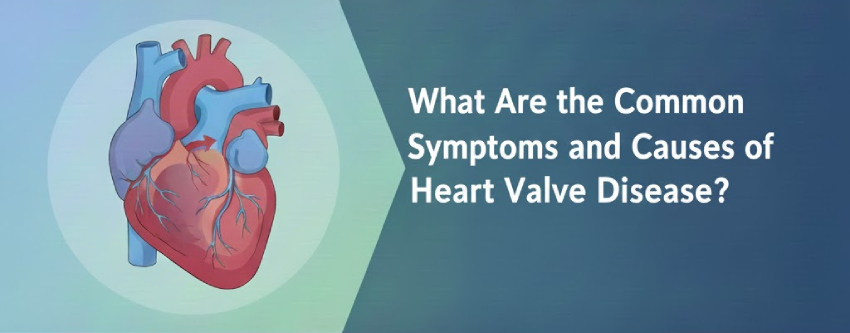
Heart valve disease occurs when one or more of the heart’s valves, the aortic, mitral, tricuspid, or pulmonary, fail to open or close correctly. These valves act like gates, ensuring smooth blood flow through the heart’s chambers and ultimately throughout the body.
When a valve becomes damaged or dysfunctional, blood flow is disrupted, increasing the heart’s workload. Over time, this can lead to fatigue, breathlessness, irregular heartbeat, and, in severe cases, heart failure if not treated.
The main types of heart valve disease include:
- Stenosis: When a valve becomes narrow and restricts blood flow.
- Regurgitation (insufficiency): When a valve does not close properly, causing blood to leak backwards.
- Prolapse: This mainly affects the mitral valve, where the valve flaps bulge backwards slightly, but it is not considered a major category of valve disease.
Common Causes of Heart Valve Disease
Understanding heart valve disease causes can help identify risk factors early.
1. Congenital Heart Defects
Some individuals are born with structural abnormalities of the heart valves. These may not cause symptoms initially but can lead to valve dysfunction later in life.
2. Age-Related Degeneration
As people age, valves may become thickened or stiff due to calcium deposits. This natural wear and tear is one of the most common causes of valve disease in older adults.
3. Infections (Endocarditis)
Endocarditis is an infection of the heart’s inner lining, typically caused by bacteria entering the bloodstream. It can damage heart valves, resulting in scarring and impaired function.
4. Rheumatic Fever
Untreated streptococcal throat infections can lead to rheumatic fever, which may permanently damage heart valves. This remains a major cause in developing regions.
5. Other Medical Conditions
Several health conditions can contribute to valve disease, including:
- High blood pressure
- Heart attack
- Atherosclerosis and cholesterol build-up
- Radiation therapy
- Autoimmune disorders such as lupus, which can affect valve tissue
These factors may progress gradually, making routine heart assessments important for early diagnosis.
Common Symptoms of Heart Valve Disease
Symptoms vary depending on which valve is involved and the severity of the condition. Common heart valve disease symptoms include:
1. Shortness of Breath
Feeling breathless during activity or even at rest occurs when the heart struggles to pump enough oxygen-rich blood.
2. Fatigue and Weakness
Low energy levels may appear even after mild exertion because the heart cannot efficiently supply blood to the body.
3. Irregular Heartbeat or Palpitations
A racing, fluttering, or pounding sensation in the chest may indicate the heart is compensating for a faulty valve.
4. Chest Pain or Discomfort
Chest pain or discomfort can occur, especially during exertion, often due to the heart working harder to pump blood.
5. Swelling in Ankles or Feet
Fluid build-up in the legs, ankles, or feet may develop when the heart’s pumping function is reduced.
6. Heart Murmurs
Heart murmurs, often the earliest detectable sign of valve disease, may be heard by a doctor before symptoms appear.
If you experience any of these signs, consulting a cardiologist promptly is essential.
Risk Factors to Watch For
Several factors increase the likelihood of developing heart valve disease, such as:
- Age: Natural valve degeneration becomes more common with ageing.
- Family History: Genetic predisposition can increase susceptibility.
- Lifestyle Choices: Smoking, poor diet, and inadequate exercise elevate risk.
- Underlying Conditions: Hypertension, diabetes, and high cholesterol can strain the heart.
Routine cardiac check-ups are especially important if multiple risk factors are present.
When to See a Doctor?
Immediate medical attention is recommended if you experience:
- Sudden shortness of breath
- Chest pain or tightness
- Fainting or dizziness
- Swelling in the legs or feet
- Irregular heartbeat or palpitations
At Venkateshwar Hospital, our experienced cardiologists use advanced diagnostic tools, including echocardiograms, ECGs, cardiac MRIs, and stress tests, to identify valve problems early and plan suitable treatment.
Prevention and Lifestyle Tips
While not every case of valve disease can be prevented, certain lifestyle habits significantly reduce the risk:
- Eat a Heart-Healthy Diet: Prioritise vegetables, fruits, whole grains, and lean proteins. Limit salt, sugar, and unhealthy fats.
- Exercise Regularly: Aim for at least 30 minutes of moderate physical activity most days of the week.
- Avoid Smoking and Excess Alcohol: These habits weaken the heart and can worsen valve conditions.
- Manage Underlying Conditions: Keep blood pressure, cholesterol, and diabetes under control.
- Get Routine Check-Ups: Regular screenings help detect problems before they become severe.
For personalised support, Venkateshwar Hospital’s cardiology team provides comprehensive preventive and therapeutic care.
Conclusion
Heart valve disease can develop gradually and remain unnoticed until symptoms worsen. Understanding its causes, symptoms, and risk factors plays a key role in seeking timely medical care and preventing complications.
If you experience breathlessness, unexplained fatigue, chest discomfort, or palpitations, it is advisable to consult a cardiologist. Venkateshwar Hospital’s heart specialists offer advanced diagnostic, surgical, and non-surgical treatments for all types of valve diseases.
Your heart deserves expert attention—book a consultation today for personalised guidance and comprehensive cardiac support.
Frequently Asked Questions
1. Can heart valve disease be reversed?
Mild valve problems caused by secondary factors may improve with treatment, but structural valve damage generally requires surgery or repair.
2. What tests are used to diagnose heart valve disease?
Doctors may recommend echocardiograms, ECGs, X-rays, or cardiac MRIs to assess valve structure and function.
3. Are heart valve problems hereditary?
Only congenital valve defects are hereditary; most acquired valve diseases are not inherited.
Medically Reviewed by — Dr. Saket Bhardwaj (Principal Director & HOD – Cardiology)