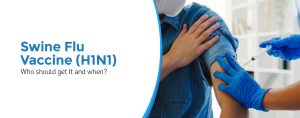
Swine flu, commonly associated with the H1N1 strain of influenza A, is a contagious respiratory infection that can range from mild illness to serious complications. Vaccination is an important preventive measure, especially for people at higher risk of influenza complications. WHO recommends seasonal influenza vaccination for priority groups such as pregnant women, older adults, healthcare workers and people with certain chronic medical conditions.
In India, the National Centre for Disease Control (NCDC) continues to provide seasonal influenza (H1N1) information and vaccine guidance.
What Is Swine Flu?
Swine flu is a respiratory illness caused by influenza A viruses. The H1N1 strain became widely known during the 2009 pandemic and has since become one of the influenza strains that can circulate as seasonal influenza.
The H1N1 virus spreads mainly through respiratory droplets and particles released when an infected person coughs, sneezes, talks or breathes. Close contact and contaminated hands or surfaces can also contribute to transmission.
Swine Flu Causes
The main causes of swine flu include infection with an influenza A virus such as H1N1 and exposure to respiratory secretions from an infected person. Crowded or poorly ventilated environments can increase the chance of transmission.
It is important to remember that influenza is different from the common cold virus. Both can cause respiratory symptoms, but they are caused by different groups of viruses.
What Are the Symptoms of Swine Flu?
Common swine flu symptoms can include:
- Fever or chills
- Dry cough
- Sore throat
- Runny or blocked nose
- Headache
- Muscle or body aches
- Fatigue
- Sometimes nausea, vomiting or diarrhoea, particularly in children
WHO notes that seasonal influenza can cause sudden fever, cough, headache, muscle and joint pain, sore throat and a runny nose.
Symptoms may vary from person to person. People at higher risk can develop complications such as pneumonia or worsening of underlying medical conditions.
H1N1 Virus vs Other Flu Viruses
The flu virus belongs to the influenza virus family. Seasonal influenza is most caused by influenza A and B viruses. H1N1 is a subtype of influenza A.
The influenza virus changes over time, which is one reason seasonal vaccines are updated regularly. WHO reviews circulating influenza viruses and makes recommendations for vaccine composition for different seasons.
What Is the H1N1 Vaccine?
The H1N1 vaccine is a seasonal influenza vaccine designed to provide protection against influenza strains included in the vaccine formulation. Modern seasonal influenza vaccines may contain protection against multiple influenza strains, rather than being a vaccine exclusively for H1N1.
WHO recommends annual influenza vaccination because influenza viruses continually evolve and immunity can decrease over time.
What Are the Benefits of Swine Flu Vaccination?
The swine flu vaccine benefits include reducing the risk of influenza infection and helping reduce the severity of illness if infection occurs.
Other potential H1N1 vaccination benefits include:
- Lower risk of serious influenza-related complications
- Reduced risk of influenza-related hospitalisation
- Protection for people who are more vulnerable to severe disease
- Helping reduce transmission to vulnerable family members and patients
- Reducing illness-related disruption to work, school and daily activities
Influenza vaccination does not guarantee that a person will never develop flu, but vaccination can reduce illness and the risk of severe outcomes.
Who Should Get the H1N1 Vaccine?
People often ask who should get the H1N1 vaccine and whether vaccination is necessary for them.
WHO identifies several groups that should be prioritised for seasonal influenza vaccination, including:
- Pregnant women
- Older adults
- Healthcare workers
- People with chronic medical conditions
- Young children, depending on national recommendations and circumstances
Swine Flu Vaccine Eligibility
Swine flu vaccine eligibility depends on factors such as age, health condition, pregnancy status, previous vaccine reactions and the specific vaccine being used. Children below the approved age for a particular vaccine may not be eligible for that formulation.
People with a history of a severe allergic reaction to an influenza vaccine or one of its components should discuss vaccination with a healthcare professional before receiving another dose.
Who Should Get the Swine Flu Vaccine?
If you are wondering who should get the swine flu vaccine, vaccination may be particularly important if you:
- Are pregnant
- Are an older adult
- Have asthma, diabetes, heart, kidney, liver or other chronic conditions
- Have reduced immunity
- Work in healthcare
- Live with or regularly care for someone at higher risk of severe influenza
Your doctor can recommend the appropriate vaccine based on your age and health status.
When Should You Get Vaccinated?
Ideally, vaccination should be taken before influenza activity increases in your region. However, vaccination can still protect during the influenza season while influenza viruses are circulating.
It generally takes around two weeks after vaccination for protective antibodies to develop.
Because vaccine composition can change between seasons, annual vaccination is generally recommended rather than relying on vaccination from a previous year.
Is the Swine Flu Vaccine Safe?
Influenza vaccines have been used for decades and have a well-established safety record. Most side effects are mild and temporary. These may include soreness, redness or swelling at the injection site, and sometimes mild fever, headache or muscle aches.
Importantly, influenza vaccines do not cause influenza.
If you have previously experienced a severe allergic reaction to an influenza vaccine, speak with your doctor before vaccination.
What Should You Do Before Getting Vaccinated?
Before receiving an influenza vaccine:
- Tell your doctor about any previous vaccine reactions.
- Mention current illnesses or medical conditions.
- Inform your healthcare provider if you are pregnant.
- Share information about medicines or treatments that may affect your immune system.
- Follow the recommended vaccine and dosage for your age and health condition.
Swine Flu Vaccination in Delhi
People looking for Swine Flu Vaccination in Delhi should consult a qualified healthcare professional or vaccination centre to determine whether seasonal influenza vaccination is appropriate for them.
The right vaccine formulation and timing can depend on age, health status, pregnancy, previous vaccination history and current recommendations. Avoid choosing a vaccine solely based on the term “H1N1”; ask the healthcare provider which seasonal influenza vaccine is appropriate for you.
Can Vaccination Completely Prevent Swine Flu?
No vaccine provides 100% protection against every influenza infection. Influenza viruses change over time, and vaccine effectiveness can vary between seasons.
However, vaccination remains an important way to reduce the risk of influenza and serious complications.
Along with vaccination, preventive measures such as hand hygiene, covering coughs and sneezes, improving ventilation and avoiding close contact with unwell people can help reduce transmission.
When Should You See a Doctor?
Seek medical advice if you develop significant influenza-like symptoms, particularly if you are pregnant, an older adult, have a chronic health condition or have reduced immunity.
Urgent medical attention may be required for symptoms such as difficulty breathing, chest pain, confusion, severe weakness, dehydration or rapidly worsening illness.
Conclusion
Swine flu vaccination is an important preventive measure against seasonal influenza, particularly for people who have a higher risk of complications. Understanding eligibility, benefits, timing and possible side effects can help you make an informed vaccination decision. Speak with a healthcare professional to determine whether an influenza vaccine is suitable for you.
Frequently Asked Questions
Q: Is H1N1 the same as swine flu?
H1N1 is an influenza A subtype that has been associated with swine flu. H1N1 viruses can circulate as part of seasonal influenza.
Q: Can the H1N1 vaccine cause flu?
No. Influenza vaccines do not cause influenza. Mild reactions after vaccination can occur but are different from having influenza.
Q: How often should I take the influenza vaccine?
Seasonal influenza vaccination is generally recommended annually because influenza viruses change and immunity can decline over time.
Q: Can pregnant women take the flu vaccine?
Pregnant women are among the groups WHO recommends prioritising for seasonal influenza vaccination. The appropriate vaccine should be discussed with a healthcare professional.
Q: Can children receive the H1N1 vaccine?
Age eligibility depends on the specific vaccine formulation. Children should receive an age-appropriate influenza vaccine based on medical advice.
Q: How long does it take for the vaccine to work?
It generally takes about two weeks for protective antibodies to develop after vaccination.
Q: Can I get flu even after vaccination?
Yes. Vaccination does not guarantee complete protection against every influenza infection, but it can reduce the risk of illness and severe outcomes.
Q: What are the common side effects of the flu vaccine?
Common effects include soreness, redness or swelling at the injection site. Some people may experience mild systemic symptoms that usually resolve on their own.
Q: Is the swine flu vaccine different from the seasonal flu vaccine?
Current seasonal influenza vaccines are formulated to protect against selected influenza strains expected to circulate during a particular season. H1N1 may be one of the influenza A strains covered by the seasonal vaccine.
Q: Where can I get an H1N1 vaccination in Delhi?
You can consult a hospital or authorised vaccination centre in Delhi to check vaccine availability, eligibility and the appropriate seasonal influenza vaccine for your age and health condition.
Written & Verified By:

Dr. Anil Laul (MBBS, MD)
Director Internal Medicine
Meet The Doctor