A silent heart attack is often described as a hidden threat because it develops without the dramatic warning signs people usually associate with a cardiac emergency. Instead of sharp chest pain or sudden discomfort, the symptoms are mild, vague, or easy to confuse with tiredness, acidity, or stress. As a result, many people continue their daily routine unaware that their heart is being damaged, and the condition is often identified later during a routine ECG or scan. By that time, the impact on heart function may already be significant.
Understanding silent heart attack causes and recognising subtle silent heart attack symptoms is essential for early detection and long-term protection. At Venkateshwar Hospital, cardiology specialists focus on increasing awareness, enabling timely diagnosis, and supporting patients with comprehensive cardiac care.
What Is a Silent Heart Attack?
A silent heart attack, or silent myocardial infarction, is a type of heart attack in which symptoms are mild or hardly noticeable. Because the signs are often mistaken for everyday issues such as indigestion, stress, or fatigue, many people do not realise that the heart muscle is being deprived of blood. Despite the absence of typical severe symptoms like sharp chest pain, the damage caused can be just as serious as a conventional heart attack.
Common signs may include:
- Mild discomfort
- Light pressure
- Indigestion-like uneasiness
- Unusual tiredness
In many cases, the condition is diagnosed weeks or even months later during routine tests, such as an ECG, echocardiogram, or other cardiac imaging procedures.
Causes of Silent Heart Attacks
Several factors can increase the risk of a silent heart attack. These silent heart attack causes generally develop gradually and may not produce noticeable symptoms until the heart has already sustained damage.
- Atherosclerosis (Plaque Buildup): Plaque deposits narrow the arteries and restrict blood flow, leading to reduced oxygen supply.
- Coronary Artery Disease (CAD): Narrowed or damaged coronary arteries limit blood flow, increasing the risk of undetected cardiac events.
- Diabetes and High Blood Sugar: Nerve damage associated with diabetes can dull pain awareness, masking typical heart attack symptoms.
- High Blood Pressure: Long-term hypertension strains the heart and contributes to arterial damage.
- Lifestyle Factors: Smoking, obesity, lack of exercise, unhealthy eating habits, and excessive alcohol intake raise cardiovascular risk.
- Age and Family History: Advancing age and hereditary factors further elevate the likelihood of experiencing a silent heart attack.
Risk Factors You Should Know
Certain groups are more prone to silent heart attacks:
- Age and Gender: Higher risk in men over 45 and women over 55
- Diabetes and Metabolic Syndrome: Reduced ability to sense pain
- High Cholesterol and High Blood Pressure: Damage to arteries and compromised blood flow
- Lifestyle Habits: Smoking, poor diet, inactivity, and alcohol use
- Family History: Genetic predisposition to heart disease
Silent Heart Attack Symptoms
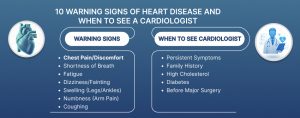
Silent heart attacks often involve mild or intermittent signs. Common Silent Heart Attack Symptoms include:
- Mild chest discomfort or pressure
- Fatigue or unusual weakness
- Shortness of breath
- Indigestion, nausea, or heartburn-like sensations
- Pain in the jaw, neck, shoulder, or arm
- Lightheadedness or dizziness
Because these signs seem minor, many people delay seeking medical care, increasing the risk of further heart damage.
How to Recognise and Respond?
Recognising early changes in your body is vital. Seek medical advice if you notice persistent or unusual symptoms, especially if you have diabetes, high blood pressure, or a family history of heart disease.
Important steps include:
- Regular ECGs, stress tests, and echocardiography
- Monitoring cholesterol, blood pressure, and blood sugar
- Not dismissing symptoms that seem minor or unusual
- Consulting a cardiologist for recurring discomfort
Early detection helps prevent complications such as heart failure or future cardiac events.
Prevention Tips to Consider
While some risk factors cannot be controlled, many can be managed through consistent lifestyle habits. Taking proactive steps can significantly reduce the likelihood of a silent heart attack. Key preventive measures include:
- Keeping cholesterol, blood pressure, and blood sugar within healthy ranges: Regular monitoring and timely treatment help prevent damage to the heart and arteries.
- Eating a balanced diet rich in whole foods: Include fruits, vegetables, whole grains, lean proteins, and healthy fats to support cardiovascular health.
- Staying physically active: Daily movement improves circulation, strengthens the heart, and helps maintain a healthy weight.
- Avoiding smoking and reducing alcohol intake: Both habits strain the heart and increase the risk of artery damage.
- Managing stress and sleeping well: Relaxation techniques, mindfulness, and adequate rest help stabilise heart rate and blood pressure.
- Scheduling routine cardiac check-ups: Regular screenings can detect early changes and ensure prompt intervention when needed.
Conclusion
Silent heart attacks can cause serious damage without noticeable symptoms, making awareness essential. By understanding silent heart attack causes and learning to recognise silent heart attack symptoms, individuals can take proactive steps to protect their heart health.
At Venkateshwar Hospital, skilled cardiologists and advanced diagnostic facilities support early detection, prevention, and personalised management of silent and symptomatic heart conditions. Paying attention to your body, even when the signs are quiet, can significantly improve long-term heart health.
Medically Reviewed by — Dr. Saket Bhardwaj (Principal Director & HOD – Cardiology)