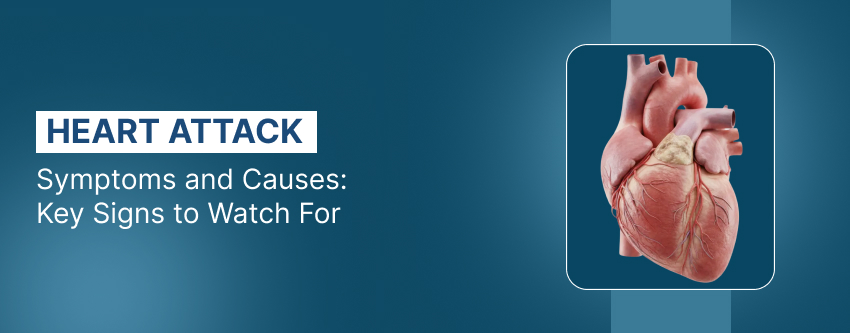
A heart attack is one of the most common and serious cardiac emergencies worldwide. It occurs when the blood flow to the heart muscle is blocked, leading to damage or death of heart tissue. This medical emergency requires immediate attention to prevent complications.
Recognising Heart Attack Causes and symptoms early can save lives. Many people mistake the warning signs for minor discomfort or fatigue, delaying timely medical care. Understanding what leads to a heart attack and how it manifests allows individuals to respond quickly and seek the right help when needed.
At Venkateshwar Hospitals, specialists emphasise awareness, early diagnosis, and lifestyle management as crucial steps in reducing the risk and impact of heart attacks.
What is a Heart Attack?
A heart attack, also known as a myocardial infarction, occurs when the blood supply to part of the heart muscle is severely reduced or completely blocked. This blockage is usually caused by a buildup of fat, cholesterol, or other substances forming plaque in the coronary arteries.
When a plaque ruptures, a blood clot forms, restricting the flow of oxygen-rich blood to the heart. If left untreated, this can cause permanent damage to the heart muscle.
Difference between Heart Attack, Cardiac Arrest, and Angina:
- Heart Attack: Caused by blocked blood flow to the heart.
- Cardiac Arrest: The heart suddenly stops beating, often due to an electrical malfunction.
- Angina: Chest discomfort caused by reduced blood flow to the heart, but not complete blockage.
Recognising these differences is vital, as Heart Attack Symptoms need immediate medical attention.
Also Read – Heart Attack at a Young Age
Common Causes of Heart Attack
Several factors contribute to the development of heart attacks. Some are related to underlying health conditions, while others are linked to lifestyle habits.
1. Coronary Artery Disease (CAD)
CAD is one of the most significant Heart Attack Causes. It occurs when fatty deposits (plaque) accumulate in the arteries, narrowing them over time. This condition, known as atherosclerosis, limits blood flow to the heart. When a plaque ruptures, a clot forms and completely blocks the artery, leading to a heart attack.
2. High Blood Pressure (Hypertension)
Persistent high blood pressure puts excessive strain on the heart and arteries. The constant pressure weakens the artery walls, making them more prone to damage and plaque buildup. Over time, this increases the risk of a heart attack.
3. High Cholesterol Levels
High levels of low-density lipoprotein (LDL), often called “bad cholesterol”, promote plaque formation in the arteries. This narrows the blood vessels and restricts oxygen supply to the heart, eventually leading to blockage.
4. Lifestyle Factors
Certain habits and daily routines play a significant role in increasing heart attack risk:
- Smoking: Damages blood vessel walls and lowers blood oxygen levels.
- Excessive Alcohol Consumption Can raise blood pressure and cholesterol levels.
- Sedentary Lifestyle: Lack of physical activity contributes to obesity and poor circulation.
- Unhealthy Diet: Diets high in saturated fats, trans fats, and salt can elevate cholesterol and blood pressure.
5. Other Risk Factors
Other contributing Heart Attack Causes include:
- Diabetes: Increases the risk of arterial damage.
- Obesity: Leads to high cholesterol and hypertension.
- Family History: A strong indicator of genetic predisposition.
- Stress: Chronic stress can elevate heart rate and blood pressure, increasing strain on the heart.
Being aware of these causes and managing them with professional guidance can significantly reduce risk.
Early Warning Signs and Symptoms of a Heart Attack
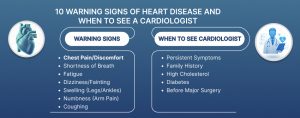
Recognising Heart Attack Symptoms early is crucial to prevent severe damage. While symptoms can differ between individuals, the following are the most common warning signs.
1. Chest Pain or Discomfort
The most typical symptom is a feeling of pressure, fullness, or tightness in the chest. The discomfort may last for a few minutes or come and go. It often feels like a heavy weight or a squeezing sensation at the centre of the chest.
2. Pain in Other Parts of the Body (Arms, Back, Jaw, Neck)
Pain may radiate beyond the chest to the arms, shoulders, jaw, neck, or even the back. This spreading pain is a classic sign of a heart attack.
3. Shortness of Breath
Shortness of breath can occur before or during chest discomfort. It may happen even while at rest and can be accompanied by fatigue or dizziness.
4. Cold Sweats, Nausea, or Lightheadedness
Sweating without physical exertion, feelings of nausea, or sudden dizziness can indicate an ongoing heart event.
5. Unusual Fatigue or Anxiety
Many patients, especially women, experience unexplained fatigue or anxiety days or weeks before a heart attack. These subtle signs should not be ignored.
Each of these Heart Attack Symptoms should be considered a medical emergency. Immediate attention can be life-saving.
When to Seek Immediate Medical Help
If you or someone near you experiences persistent chest pain, shortness of breath, or sudden discomfort in the upper body, seek emergency medical assistance without delay.
Quick intervention restores blood flow and prevents irreversible heart damage. Specialists at Venkateshwar Hospitals are equipped with advanced emergency cardiac care units to promptly and efficiently manage heart attack cases.
Always consult a doctor rather than self-diagnosing or delaying treatment. Even mild symptoms should be discussed with a healthcare professional to rule out cardiac complications.
Prevention Tips to Reduce Risk
While some risk factors cannot be changed, adopting a heart-healthy lifestyle significantly lowers the risk of heart attacks.
1. Healthy Diet and Weight Management
Choose foods rich in fruits, vegetables, whole grains, and lean proteins. Reducing salt, sugar, and saturated fats helps maintain optimal cholesterol and blood pressure levels.
2. Regular Exercise
Engaging in regular physical activity, as advised by your doctor, strengthens the heart and improves blood circulation.
3. Avoid Smoking and Limit Alcohol
Tobacco and excessive alcohol use are major contributors to heart disease. Avoiding or limiting these substances supports better cardiovascular health.
4. Routine Health Screenings
Regular medical check-ups help identify potential risks, such as high blood pressure, cholesterol, or diabetes, early. Routine screenings allow for preventive care before serious complications develop.
Small lifestyle changes, when combined with professional medical guidance, can make a big difference in protecting heart health.
Prognosis of Heart Attack
The prognosis after a heart attack depends on the severity of the damage and how quickly treatment is received. Prompt medical care can greatly improve survival and reduce complications like heart failure or irregular heartbeat. Long-term recovery relies on medications, lifestyle changes, and sometimes procedures like angioplasty. Factors such as age, overall health, and other conditions, such as diabetes, affect outcomes. With proper care and rehabilitation, many people regain heart function and can lead a healthy, active life, though ongoing monitoring remains essential.
Frequently Asked Questions
1. What are the early signs of a heart attack?
Common early signs include chest discomfort, pain radiating to the arms or jaw, shortness of breath, nausea, and cold sweats.
2. Can stress trigger a heart attack?
Yes, severe or prolonged stress can increase heart rate and blood pressure, which may contribute to heart attacks in individuals with existing risk factors.
3. How quickly should I act if I suspect a heart attack?
Act immediately. Call emergency services or visit the nearest hospital if symptoms persist for more than a few minutes. Prompt treatment reduces damage to the heart muscle.
4. Are heart attacks hereditary?
A family history of heart disease can increase risk, but lifestyle choices and preventive care play a major role in reducing that risk.
Medically Reviewed by — Dr. Saket Bhardwaj (Principal Director & HOD – Cardiology)