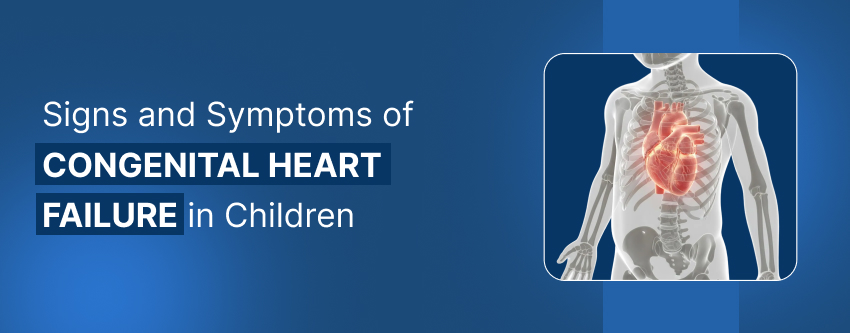
Congenital heart failure in children is a serious condition that occurs when a child’s heart cannot pump blood efficiently due to structural or developmental problems present at birth. This condition affects the circulation of oxygen-rich blood throughout the body, which can impact growth and overall health.
Understanding Congenital Heart Failure Causes early helps parents identify potential warning signs and seek timely medical advice. Early detection not only supports effective treatment but also improves long-term outcomes.
At Venkateshwar Hospital, a dedicated team of paediatric cardiologists provides comprehensive cardiac care using advanced technology and child-friendly approaches to ensure accurate diagnosis and effective management.
What is Congenital Heart Failure in Children?
Congenital heart failure in children occurs when a baby is born with a structural problem in the heart that prevents it from pumping blood efficiently. In a healthy heart, the right side collects blood returning from the body and sends it to the lungs for oxygen. The left side then pumps this oxygen-rich blood through the arteries to support the rest of the body.
When congenital defects affect the heart walls, valves, or the blood vessels connected to the heart, this smooth process becomes less effective. The heart begins to work harder to keep blood flowing, and one or both sides of the heart may struggle to function properly. As a result, several Congenital Heart Failure Symptoms may appear, including fatigue, breathlessness, poor feeding, and fluid retention. These symptoms indicate that the heart is not able to deliver enough oxygen and nutrients to support healthy growth and overall development.
Common Causes of Congenital Heart Failure
Understanding Congenital Heart Failure Causes can help parents and caregivers recognise risk factors early. The condition often develops when the heart does not form properly during foetal development. Several factors can contribute to this, including:
1. Structural Heart Defects
The most common cause of congenital heart failure is an abnormality in the heart’s structure, such as holes in the walls (septal defects), narrowed valves (stenosis), or underdeveloped chambers. These defects disrupt blood flow and oxygen distribution.
2. Genetic Factors
Certain genetic syndromes, such as Down syndrome or Turner syndrome, are associated with a higher risk of congenital heart defects. A family history of congenital heart disease can also increase susceptibility.
3. Maternal Health Conditions
If a mother has conditions such as diabetes, obesity, or viral infections like rubella during pregnancy, it can affect the baby’s heart development. Uncontrolled blood sugar and exposure to harmful substances can interfere with foetal growth.
4. Medication or Substance Exposure
Use of certain medications during pregnancy, such as those for high blood pressure or cholesterol, as well as smoking, alcohol, or recreational drugs, can increase the likelihood of heart defects.
5. Premature Birth and Low Birth Weight
Premature infants are at a higher risk due to incomplete heart development. Low birth weight can also affect the heart’s ability to function efficiently.
Early identification of these Congenital Heart Failure Causes is essential to plan appropriate prenatal and postnatal care.
Signs and Symptoms in Children
Recognising Congenital Heart Failure Symptoms at different stages of childhood is crucial for timely medical attention. Symptoms may vary between infants, toddlers, and older children, but many are related to poor circulation and reduced oxygen levels.
Infants:
- Difficulty Feeding: Babies may tire quickly during feeds or be unable to finish them comfortably.
- Poor Weight Gain: Despite regular feeding, weight gain may be slow or stagnant.
- Sweating While Feeding: Excessive sweating, especially around the head, can indicate the heart is working harder than usual.
- Fast Breathing or Shortness of Breath: Rapid breathing during feed or sleep may happen when fluid builds up in the lungs.
- Bluish Skin or Lips (Cyanosis): This is a sign of low oxygen levels in the blood and requires urgent medical evaluation.
Toddlers and Older Children
- Fatigue and Weakness: Children may get tired quickly during play or physical activity.
- Shortness of Breath: Difficulty in breathing, especially during exertion, is common.
- Frequent Respiratory Infections: Repeated colds, coughs, or chest infections may signal underlying heart issues.
- Palpitations or Rapid Heartbeat: The heart may beat faster to compensate for reduced efficiency.
- Swelling in Ankles or Abdomen: Fluid retention can cause visible swelling.
Parents should seek medical advice immediately if any of these Congenital Heart Failure Symptoms persist or worsen.
Risk Factors to Watch Out For
Certain factors increase the likelihood of congenital heart failure in children:
- Genetic Predisposition: A family history of congenital heart disease raises the risk.
- Maternal Conditions During Pregnancy: Diabetes, viral infections, obesity, or the use of certain medications can interfere with normal heart development
- Premature Birth: Babies born before full term may have incomplete cardiac development.
- Low Birth Weight: Increases the chance of cardiac complications.
- Environmental Factors: Exposure to harmful chemicals, alcohol, or tobacco during pregnancy.
Being aware of these risks helps expectant parents work with their healthcare provider to monitor the baby’s heart health closely.
Diagnosis and Early Detection
Accurate diagnosis is key to managing congenital heart failure effectively. Several diagnostic methods help paediatric cardiologists detect heart defects before or after birth:
- Fetal Echocardiogram: Performed during pregnancy if a heart defect is suspected. It uses ultrasound to create detailed images of the foetal heart.
- Echocardiogram (Echo): A primary tool for diagnosing congenital heart defects after birth. It provides real-time images of the heart’s chambers and valves.
- Electrocardiogram (ECG): Measures the electrical activity of the heart and helps detect irregular heart rhythms.
- Chest X-ray: Helps evaluate heart size and identify fluid build-up in the lungs.
- Cardiac MRI or CT Scan: Used for more detailed imaging of complex heart structures and blood vessels.
Early detection through these tests can significantly improve treatment outcomes. Parents should discuss screening options with their child’s healthcare provider, especially if there is a family history of heart disease.
Also Read – How Early are Congenital Diseases Diagnosed?
When to Consult a Paediatric Cardiologist
Parents should consult a paediatric cardiologist if their child exhibits any persistent symptoms such as rapid breathing, fatigue, bluish skin tone, or poor growth. Early consultation helps prevent complications and ensures appropriate management.
Venkateshwar Hospital offers specialised paediatric cardiology services with experienced specialists, advanced diagnostic tools, and a compassionate approach to child care. The hospital’s multidisciplinary team works together to provide accurate diagnosis, timely interventions, and long-term follow-up for children with congenital heart conditions.
Conclusion
Congenital heart failure requires timely recognition and ongoing care. Understanding Congenital Heart Failure Causes and symptoms helps parents take prompt action and seek expert medical advice.
Early diagnosis, regular monitoring, and coordinated treatment can make a significant difference in a child’s health and development. At Venkateshwar Hospital, parents can find trusted paediatric cardiology services that focus on early detection, personalised treatment, and lifelong care for children with congenital heart conditions.
Frequently Asked Questions
1. What are the first signs of congenital heart failure in babies?
Early signs include difficulty feeding, rapid breathing, excessive sweating during feeding, and poor weight gain.
2. Can congenital heart failure be treated?
Treatment depends on the type and severity of the heart defect. It may include medications, catheter-based procedures, or surgery, as advised by a paediatric cardiologist.
3. How can parents prevent complications?
Regular follow-ups, adherence to treatment plans, and maintaining a healthy lifestyle can help manage the condition effectively.
Medically Reviewed by — Dr. Saket Bhardwaj (Principal Director & HOD – Cardiology)