Recognising the signs and symptoms of head and neck cancer early can make a real difference, especially because many of them may seem mild or similar to everyday issues. Ongoing throat discomfort, voice changes that don’t settle, or mouth sores that take too long to heal are often overlooked, which can delay the proper care. By understanding common head and neck cancer causes and staying alert to symptoms that need medical attention, individuals can reach out for help at the right time and improve their chances of effective management.
At Venkateshwar Hospital, specialists in head and neck oncology place a strong focus on early recognition and timely evaluation. With experienced clinicians and advanced diagnostic support, the hospital works to ensure that individuals receive the care they need before symptoms progress, helping to lower the risks associated with late detection.
What Is Head and Neck Cancer?
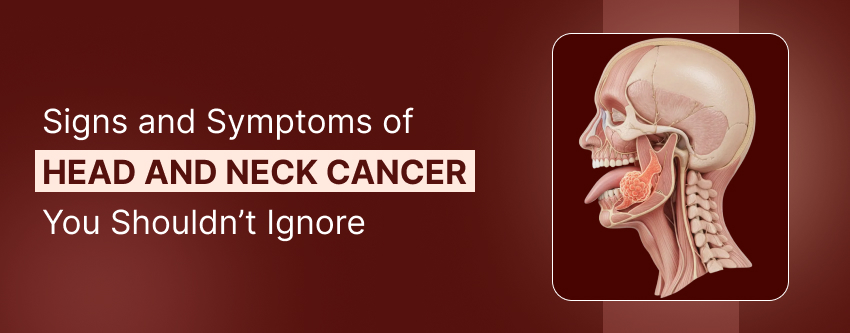
Head and neck cancer refers to a group of cancers that arise in the mouth, throat, nasal cavity, sinuses, salivary glands, or nearby structures. Most of these cancers originate in the squamous cells that line the moist mucosal surfaces of these regions. Because these areas are interconnected, cancer can sometimes spread from one part of the head and neck to another.
The most common types of head and neck cancer include:
- Oral Cancer: Affects the lips, gums, tongue, floor of the mouth, and inner cheeks.
- Pharyngeal Cancer: Includes nasopharyngeal, oropharyngeal, and hypopharyngeal cancers arising in different parts of the throat.
- Laryngeal Cancer: Begins in the voice box or vocal cords and may affect speech and breathing.
- Salivary Gland Cancer: This condition involves the glands responsible for saliva production and can vary widely in aggressiveness.
- Nasal and Paranasal Sinus Cancer: Develops in the nasal cavity or the air-filled spaces surrounding the nose.
Globally, head and neck cancers account for approximately 4–6% of cancer diagnoses, with regional variations. Men over the age of 50 remain more commonly affected, mainly due to higher exposure to risk factors such as tobacco and alcohol. However, HPV-related oropharyngeal cancers are increasing in some populations, especially among younger adults, even those with minimal tobacco or alcohol use.
Staying aware of Head and Neck Cancer Symptoms and undergoing routine health examinations can greatly improve the chances of early detection.
Causes of Head and Neck Cancer
Understanding the head and neck cancer causes enables individuals to modify their lifestyle choices and reduce their risk. While not all cases are preventable, many are linked to avoidable factors.
1. Tobacco Use
Tobacco remains one of the strongest contributors to head and neck cancer. It is strongly linked to oral cavity and laryngeal cancers, though the proportion varies across subtypes and populations. Cigarettes, cigars, pipes, and smokeless tobacco can all lead to DNA damage in the cells lining the head and neck, increasing cancer risk. Even long-term exposure to second-hand smoke elevates risk levels.
2. Alcohol Consumption
Regular alcohol consumption, particularly when combined with tobacco use, dramatically increases the risk of developing cancers in the mouth, throat, and voice box. Alcohol can irritate the lining of the mouth and throat, making these tissues more vulnerable to carcinogens found in tobacco.
3. HPV Infection
HPV is a major cause of oropharyngeal cancers, particularly those affecting the tonsils and the base of the tongue. Its rise is primarily observed in certain populations and among younger age groups. HPV-related cancers tend to behave differently from tobacco-related cancers and may respond better to certain treatments.
4. Environmental Factors
Long-term exposure to harsh chemicals or airborne irritants can also contribute to cancer risk. Wood dust, asbestos, paint fumes, certain industrial chemicals, and pesticides are known carcinogens. Individuals working in high-risk environments should always follow recommended safety guidelines and wear protective gear.
5. Genetic Predisposition
Inherited conditions such as Fanconi anemia and certain genetic mutations can increase susceptibility to head and neck cancers. Those with a strong family history of cancer may also face a higher risk and should undergo regular medical monitoring.
Early Signs and Symptoms of Head and Neck Cancer
Recognising early head and neck cancer symptoms can be challenging because they often mimic common infections or mild conditions. However, persistent or unexplained symptoms should always be taken seriously.
Common warning signs include:
- Persistent sore throat or difficulty swallowing
- Lumps or swellings in the neck, jaw, or throat
- Hoarseness or voice changes lasting more than two weeks
- Mouth or tongue sores that do not heal
- Ear pain or a sensation of fullness in one ear
- Unexplained weight loss and fatigue may occur in advanced stages, but are not early symptoms.
- White or red patches inside the mouth
- Nasal congestion or frequent nosebleeds may occur in nasal cavity or paranasal sinus cancers, which are less common
Symptoms may vary based on the cancer’s location, but any persistent change in the head or neck region should be evaluated by a specialist.
When to See a Doctor?
Seeking medical advice promptly is crucial. You should consult an ENT specialist or oncologist if you notice:
- Persistent pain or discomfort
- Lumps that do not go away
- Sores in the mouth or throat lasting longer than two weeks
- Difficulty swallowing or voice changes
- Recurrent nosebleeds or nasal blockage
Venkateshwar Hospitals provides expert assessments and advanced diagnostic facilities designed to detect abnormalities at the earliest possible stage.
Diagnosis and Screening
Diagnosis typically begins with a thorough physical examination, during which doctors assess symptoms, examine the mouth and throat, and check for lumps in the neck.
Further tests may include:
- Endoscopy: A flexible tube with a camera is used to examine the nose, throat, or larynx.
- Imaging Tests: CT, MRI, and PET scans help locate tumours and assess their spread.
- Biopsy: Tissue samples are analysed to confirm cancer.
- HPV or EBV Testing: EBV testing is specifically relevant in suspected nasopharyngeal carcinoma, while HPV testing is important for oropharyngeal cancers.
Early and accurate diagnosis enables better treatment planning and more favourable outcomes.
Preventive Measures
You can reduce your risk of head and neck cancer by:
- Avoiding tobacco in all forms
- Limiting alcohol consumption
- Considering HPV vaccination after consulting a doctor
- Maintaining good oral hygiene
- Eating a balanced, nutrient-rich diet
- Using protective gear when working with dust or chemicals
- Attending routine health and dental check-ups
Lifestyle changes play an important role in long-term prevention.
Conclusion
Awareness of the causes and symptoms of head and neck cancer is essential for early detection, prevention, and effective treatment. Persistent or unusual changes affecting the mouth, throat, or neck should never be ignored. Early diagnosis offers the best chance of successful treatment and preservation of vital functions.
If you or someone you know experiences prolonged throat discomfort, persistent lumps, or changes in their voice, it is essential to seek medical evaluation without delay. Early intervention can significantly improve recovery, outcomes, and overall quality of life.
Medically Reviewed by— Dr. Siddharth Sahai (Director – Medical Oncology)