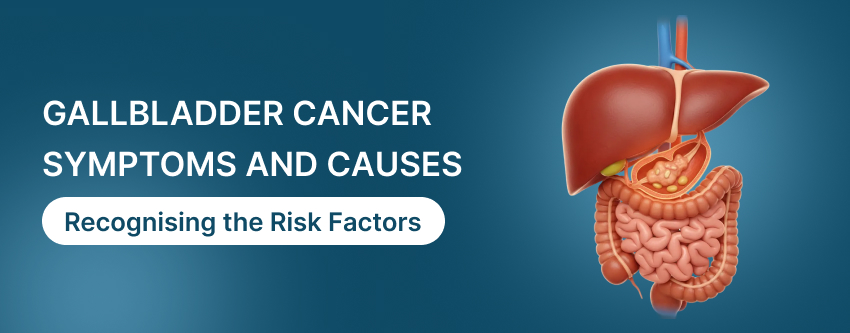
Gallbladder cancer develops when abnormal cells in the gallbladder, a small organ beneath the liver, begin to grow uncontrollably. Though rare, it can be aggressive and is often diagnosed at an advanced stage, making treatment more challenging.
Early recognition of symptoms and awareness of potential causes can improve outcomes by enabling timely medical intervention. At Venkateshwar Hospital, our oncology specialists use advanced diagnostics and personalised care to provide effective treatment for gallbladder cancer.
What is Gallbladder Cancer?
Gallbladder cancer is a rare, aggressive cancer that begins in the tissues of the gallbladder, a small organ below the liver that stores bile. It most commonly develops from the glandular cells lining its inner surface, a type known as adenocarcinoma.
Early symptoms of gallbladder cancer are often subtle or absent, which means the disease is frequently diagnosed only at an advanced stage. When symptoms do appear, they may include upper right abdominal pain, jaundice, unexplained weight loss, and nausea or vomiting. Detecting the cancer early is crucial for improving treatment outcomes and ensuring more effective management.
Gallbladder Cancer Symptoms
Recognising gallbladder cancer symptoms early is crucial for improving treatment outcomes. Symptoms often appear gradually and can resemble other digestive issues.
Early Symptoms
- Abdominal pain: Persistent pain, especially in the upper right side of the abdomen.
- Nausea and vomiting: Frequent discomfort or feeling sick after meals.
- Jaundice: Yellowing of the skin and eyes caused by blocked bile ducts.
- Fever: Mild to moderate fever due to inflammation or infection in the gallbladder.
Advanced Symptoms
When the cancer spreads or becomes more aggressive, additional signs may develop:
- Unexplained weight loss: A sudden drop in weight without dietary changes.
- Lump in the abdomen: A noticeable swelling or mass under the right rib cage.
- Loss of appetite: Reduced interest in food, often accompanied by nausea.
- General fatigue: Continuous tiredness and weakness even after adequate rest.
Early symptom recognition can make a significant difference. While these symptoms may result from other digestive problems, any persistent pain, jaundice, or loss of appetite should be evaluated by a healthcare professional promptly.
Gallbladder Cancer Causes and Risk Factors
Understanding gallbladder cancer causes helps in identifying individuals who may be more prone to developing this disease.
Key Causes
- Genetic mutations in gallbladder cells: DNA changes can cause cells to grow uncontrollably and form tumours.
- Chronic gallbladder inflammation: Long-term irritation, often due to gallstones, increases cancer risk.
- Gallstones: The most common underlying factor. Repeated inflammation caused by stones can damage the gallbladder lining, leading to abnormal cell growth.
Risk Factors
- Age: Most cases occur in individuals over 60 years old.
- Gender: Women are more likely to develop gallbladder cancer than men, possibly due to a higher prevalence of gallstones.
- Obesity: Excess body fat contributes to gallstone formation and chronic inflammation.
- Family history: A close relative with gallbladder disease or cancer increases the likelihood.
While not everyone with these risk factors develops the disease, being aware helps initiate early medical consultations and screenings.
When to See a Doctor?
If you notice persistent upper right abdominal pain, yellowing of the eyes or skin, unexplained weight loss, loss of appetite, or swelling in the abdomen, it is important to seek medical attention. While these symptoms may not always indicate gallbladder cancer, only a thorough evaluation can confirm the cause.
Individuals at higher risk should consider regular imaging and screening as recommended by their doctor. Early consultation can help detect the disease sooner and improve treatment outcomes. Book an appointment at Venkateshwar Hospital for expert evaluation and specialised care.
Diagnosis and Treatment Options
Detecting gallbladder cancer early requires a combination of imaging and laboratory assessments.
Diagnosis
- Ultrasound: The first step to detect gallstones, swelling, or abnormal growths in the gallbladder.
- CT or MRI scans: Provide detailed images to assess the extent of cancer and its spread.
- Biopsy: A small tissue sample is taken and analysed under a microscope to confirm cancer cells.
Treatment Options
- Surgery: The preferred treatment for early-stage gallbladder cancer, often involving the removal of the gallbladder and nearby tissue.
- Chemotherapy: Uses anti-cancer drugs to destroy cancer cells or shrink tumours before or after surgery.
- Radiation therapy: High-energy rays target cancer cells to prevent further growth or relieve pain in advanced cases.
At Venkateshwar Hospital, patients receive integrated cancer care combining accurate diagnosis, advanced surgical techniques, and ongoing support from multidisciplinary teams.
Why Choose Venkateshwar Hospital for Gallbladder Cancer Care?
Venkateshwar Hospital provides expert, personalised care for gallbladder cancer with advanced diagnostics and a multidisciplinary approach.
- Advanced Diagnostics: Ultrasound, CT, MRI, and PET scans for accurate detection and staging.
- Expert Oncology Team: Collaboration of medical, surgical, and radiation oncologists to design optimal treatment strategies.
- Tailored Treatment Plans: Surgery, chemotherapy, radiation, and targeted therapy customised to each patient’s condition.
- Patient-Centred Care: Comprehensive support from diagnosis through recovery, ensuring compassionate care and improved treatment outcomes.
Prognosis of Gallbladder Cancer
The prognosis of gallbladder cancer depends largely on the stage at diagnosis and the patient’s overall health. Early-stage gallbladder cancer detected before it spreads to nearby organs or lymph nodes has a significantly better outlook, with surgical removal offering the best chance for long-term survival. Awareness of gallbladder cancer symptoms and understanding its causes can help with early detection, improving treatment success.
With timely intervention and a multidisciplinary approach including surgery, chemotherapy, radiation, and targeted therapies, outcomes can improve. Supportive care, regular monitoring, and lifestyle adjustments also enhance quality of life. At Venkateshwar Hospital, personalised treatment plans and advanced care improve the likelihood of positive outcomes, even in complex cases.
Frequently Asked Questions
1. What are the first signs of gallbladder cancer?
Early signs include pain in the upper right abdomen, nausea, vomiting, jaundice, and mild fever. These symptoms should be discussed with a doctor.
2. Can gallbladder cancer be detected early?
Yes, imaging tests like ultrasound and CT scans can detect abnormalities early, but because symptoms are subtle, regular check-ups are vital for those at risk.
3. Is gallbladder cancer hereditary?
A family history of gallbladder disease or cancer may increase the risk, but most cases are linked to lifestyle and environmental factors.
4. How fast does gallbladder cancer spread?
Gallbladder cancer can spread quickly once it invades nearby organs such as the liver, which is why early detection is important.
5. What are the treatment options for gallbladder cancer?
Treatment depends on the stage and may include surgery, chemotherapy, radiation therapy, or a combination of these approaches.
6. Who treats gallbladder cancer?
Oncologists, hepatobiliary surgeons, and gastroenterologists work together to diagnose and treat gallbladder cancer.
7. Can gallbladder cancer be cured if detected early?
If identified before spreading beyond the gallbladder, surgical removal often leads to a full recovery.
8. How can I reduce the risk of gallbladder cancer?
Maintaining a healthy weight, avoiding smoking, and managing gallstones under medical supervision can lower the risk.
9. What role do gallstones play in gallbladder cancer?
Gallstones are a major cause of chronic inflammation, which can damage the gallbladder lining and increase cancer risk.
10. When should I consult a doctor for possible gallbladder cancer?
If you experience persistent upper abdominal pain, yellowing of the skin, or unexplained weight loss, seek medical attention immediately.
Medically Reviewed by — Dr. Rudra Prasad Acharya ( Director – Surgical Oncology & Robotic Surgery )