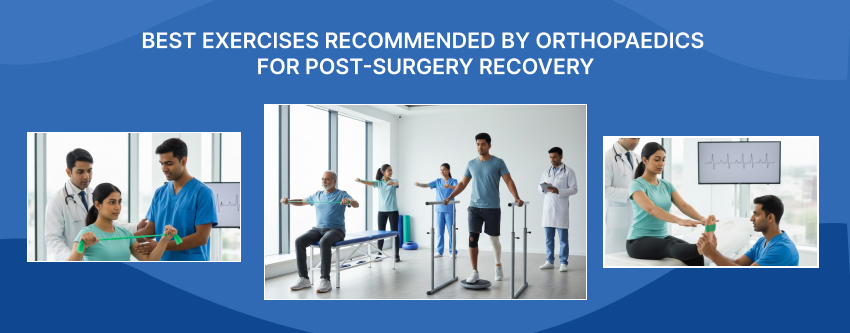
Recovering after surgery is not just about healing the wound. It is about regaining strength, mobility and confidence to return to everyday activities. Post-surgery exercises play an essential role in ensuring a smooth rehabilitation. However, not every exercise is suitable for every patient, and this is where the guidance of orthopaedics becomes crucial. Orthopaedic-approved exercises are designed to minimise strain on the operated area while steadily improving flexibility, circulation, and muscle strength.
In this blog post, we will look at the stages of recovery and the types of safe and effective post surgery exercises orthopedics specialists may suggest for patients. The focus will be on circulation, mobility, strengthening, and functional activities, along with precautions to take during the recovery journey.
When to Start Post-Surgery Exercises
Some patients wonder, “When can I start exercising again?” The answer depends entirely on the type of surgery, individual health condition and the advice of the treating orthopaedic doctor.
For procedures such as total knee replacement, gentle circulation exercises are often recommended within hours after surgery to prevent blood clots. For spine or shoulder surgeries, the timeline may be more gradual, starting with breathing exercises and progressing slowly to movement-based rehabilitation.
It is important to understand that rushing into physical activity can cause more harm than good. Warning signs such as excessive swelling, pain, or dizziness indicate that the body is not ready for that level of activity. In such cases, exercises should be stopped immediately, and the orthopaedic doctor or physical therapist should be consulted before resuming.
Also Read – Top Signs You Need the Best Orthopedic Doctor in Dwarka
Early Stage Post-Surgery: Focus on Circulation and Mobility
The early recovery period is all about regaining movement, improving blood circulation, and preventing complications such as stiffness or clot formation. The exercises are usually simple, low-intensity, and can be performed while lying in bed or sitting up.
1. Deep Breathing Exercises
Controlled breathing increases oxygen supply to the body and prevents respiratory issues that sometimes occur after prolonged bed rest. This exercise also helps relax the muscles and improves overall comfort in the early days after surgery.
2. Ankle Pumps
Moving the foot up and down encourages circulation in the lower limbs and reduces the risk of clotting. This simple activity can be performed several times an hour and is particularly beneficial for patients recovering from orthopaedic surgeries involving the lower body.
3. Gentle Stretching
Early stretches, such as hamstring stretches (heel slides) and quad sets (tightening thigh muscles) maintain flexibility and prevent muscles from weakening. These movements are not only safe but also critical to keeping the joints active without applying unnecessary strain.
4. Slow-Paced Walking
With medical approval, taking a few careful steps each day using support like crutches or a walker helps in stimulating blood flow and gradually preparing the body for regular mobility. The goal is not speed but consistency and correct posture while walking.
Mid-Stage Recovery: Focus on Strengthening and Range of Motion
Once the initial healing is stable, the focus shifts to rebuilding muscle strength and improving the movement range of joints. This stage is usually introduced after a few weeks, depending on the surgery type and the patient’s overall progress.
1. Straight Leg Raises
An important strengthening exercise for the quadriceps, this involves raising the operated leg while keeping it straight. It provides stability to the knee and reduces strain on the joint, especially after knee surgeries.
2. Heel Slides
By sliding the heel towards the hips while lying down, patients improve flexibility in the knee and hip joints. This simple yet effective activity helps in restoring natural movement.
3. Stationary Biking
Using a stationary cycle is a low-impact cardiovascular exercise that boosts endurance while also improving knee mobility. Resistance can be increased gradually as strength builds, ensuring no sudden strain on the joint.
4. Wall Squats
This activity strengthens the leg and glute muscles while keeping the back supported. For patients recovering from lower limb surgeries, wall squats provide both balance and muscle-strengthening benefits.
5. Step Flexion Stretches
Placing the operated leg on a small step and gently bending improves knee flexibility and gradually helps break down scar tissue. It supports smoother bending motion of the knee and prepares patients for advanced exercises.
Also Read – How durable are joint replacements?
Late Stage Recovery: Focus on Functional Activities
At this stage, the body is stronger and the exercises become more functional to support daily tasks. The goal is to restore endurance, coordination and confidence in movement.
1. Progressive Walking
Gradually increasing both the distance and pace of walking helps rebuild stamina and strengthen the lower body. It also supports heart and lung health, contributing to overall well-being.
2. Swimming or Water Aerobics
Once surgical wounds have fully healed, aquatic exercises provide a safe and effective full-body workout. The buoyancy of water reduces strain on joints, making it ideal for post-surgical rehabilitation.
3. Light Weight Training
Introducing small weights, under proper supervision, enhances muscle tone and endurance. It should always be started gradually and only when cleared by an orthopaedic doctor.
Important Considerations Before Starting Post Surgery Exercises
Every patient is different, and so is every surgery. This makes it essential to follow a personalised plan recommended by the orthopaedic doctor or physical therapist. Some general considerations include:
- Exercises must be specific to the type of surgery and the patient’s age and health condition.
- Pain, swelling, or discomfort should never be ignored. If these occur, stop exercising and seek medical guidance.
- Consistency is more important than intensity. Small, regular efforts lead to steady progress.
- Patience plays a major role in recovery. Rushing into heavy exercises too soon may delay healing instead of supporting it.
What to Avoid During Recovery
Recovery is not only about doing the right exercises but also about avoiding activities that may cause setbacks. Patients are usually advised to stay away from:
- High-impact sports such as running or jumping.
- Lifting heavy weights before being medically cleared.
- Ignoring pain or swelling, which are warning signs that should not be overlooked.
Conclusion
Post-surgery rehabilitation is a gradual process that demands discipline, patience, and the right guidance. Orthopaedic-approved exercises help restore circulation, strength, and functional mobility, ensuring the recovery journey is both safe and effective. By starting with simple movements, progressing to strengthening routines, and then moving towards functional activities, patients can steadily return to their daily lives.
At Venkateshwar Hospital, orthopaedic specialists guide patients through structured rehabilitation plans, helping them achieve long-term recovery goals. Following the advice of medical experts ensures that exercises are performed correctly, minimising risks and maximising healing outcomes.
Frequently Asked Questions
1. How soon after surgery can I start exercising?
The timing depends on the type of surgery and your doctor’s advice. For many orthopaedic procedures, very gentle movements like ankle pumps or breathing exercises may start within hours or days after surgery. More advanced strengthening and mobility exercises usually begin once your doctor confirms the wound is healing properly.
2. What happens if I skip post-surgery exercises?
Skipping exercises can slow down your recovery and increase the risk of stiffness, weakness, or complications like blood clots. Regular movement, even if it is light and simple, helps restore circulation, flexibility, and strength over time.
3. Are post-surgery exercises painful?
You may feel mild discomfort or stretching when doing these exercises, but they should not cause sharp or unbearable pain. If pain becomes intense, it is important to stop and inform your orthopaedic doctor or physical therapist, as it could mean you are pushing too hard.
4. How often should I do post-surgery exercises?
Most post-surgery exercises are recommended several times a day in short sessions. Consistency matters more than doing long or intense workouts. Your orthopaedic specialist or physiotherapist will usually design a personalised schedule for you.
5. Which exercises help strengthen muscles after surgery?
Exercises like straight leg raises, heel slides, wall squats, and light resistance training are often used to strengthen muscles during recovery. The exact set of exercises will depend on whether you had knee, hip, spine, or another type of orthopaedic surgery.
6. How long does it take to fully recover with post-surgery exercises?
Full recovery varies from person to person. It may take a few weeks for minor procedures and several months for major surgeries such as joint replacements. Following your exercise plan regularly and under supervision can speed up the process and ensure better long-term results.
Medically Reviewed by — Dr. Ashu Consul (Director – Joint Replacement, Robotics & Orthopedics)