To Book an Appointment Call Us +91-11-69-262-700

Testicular cancer is uncommon but highly treatable, especially when detected early. It most often affects younger men and can be successfully managed with timely medical care. Increased awareness, regular self-examination, and early diagnosis have significantly improved outcomes worldwide.

For patients seeking testicular cancer treatment in Delhi, access to advanced diagnostic tools, experienced specialists, and coordinated cancer care is essential. Venkateshwar Hospitals offers comprehensive services that focus not only on effective treatment but also on long-term quality of life.

What Is Testicular Cancer?

Testicular cancer occurs when abnormal cells begin to grow uncontrollably in one or both testicles, which are responsible for sperm and hormone production. In most cases, cancer starts in germ cells.

Key points to understand include:

  • Testicular cancer most commonly affects men between 15 and 45 years of age
  • It is often presented as a painless lump or swelling.
  • Early-stage disease responds extremely well to treatment.
  • Many patients go on to live normal, healthy lives after recovery.

Understanding the condition early helps reduce anxiety and encourages prompt medical attention.

Who Is at High Risk of This Disease?

Although testicular cancer can develop without an obvious cause, certain factors are known to increase risk. Awareness of these factors supports early vigilance.

Men at higher risk include those who:

  • Have a family history of testicular cancer
  • Had an undescended testicle (cryptorchidism), even if corrected
  • Have experienced testicular cancer previously
  • Are living with HIV infection
  • Belong to the most affected age group

Regular check-ups and self-awareness are especially important for individuals with these risk factors.

Types of Testicular Cancer

Testicular cancers are classified by the type of cells involved, which helps guide treatment decisions.

Germ Cell Tumours (Most Common)

These account for the majority of cases and include:
  • Seminomas, which tend to grow slowly and respond well to radiation and chemotherapy
  • Non-seminomas, such as embryonal carcinoma, yolk sac tumour, choriocarcinoma, and teratoma, which may grow more quickly and require combined treatment

Other Rare Types

Less common forms include stromal tumours and secondary cancers that spread from other organs. These are treated based on their specific characteristics.

Symptoms of Testicular Cancer

Testicular cancer symptoms are often subtle in the early stages, which is why regular self-checks are important.

Common signs to watch for include:

  • A lump or swelling in one testicle
  • A dull ache in the lower abdomen or groin
  • A feeling of heaviness in the scrotum
  • Sudden fluid collection in the scrotum
  • Persistent pain or discomfort in the testicle

A doctor should assess any new or unusual change without delay.

Causes of Testicular Cancer

The exact cause of testicular cancer is not always known, but research has identified several contributing factors.

These include:

  • Genetic changes affecting germ cell development
  • Undescended testicles
  • Family history of testicular cancer
  • Certain inherited conditions

Even without clear causes, early detection remains the most effective way to achieve successful treatment.

Diagnosis and Tests for Testicular Cancer

Accurate diagnosis is essential for effective treatment planning. Evaluation usually involves several steps.

Doctors may recommend:

  • A physical examination of the testicles
  • Scrotal ultrasound to assess any lump or swelling
  • Blood tests for tumour markers such as AFP, hCG, and LDH
  • CT or MRI scans to check for spread
  • Surgical removal of the affected testicle (orchiectomy) for confirmation and treatment

Venkateshwar Hospitals provides advanced imaging and laboratory services to ensure precise diagnosis and staging.

Treatment of Testicular Cancer

Treatment depends on the type of cancer, stage, and individual health factors. Outcomes are generally excellent with appropriate care.

Common treatment approaches include:

  • Surgery: which is the primary treatment in most cases
  • Chemotherapy: particularly for advanced or non-seminoma cancers
  • Radiation therapy: mainly used for seminomas
  • Active surveillance: in select early-stage cases

At Venkateshwar Hospitals, treatment plans are personalised and managed by a multidisciplinary oncology team.

Complications of Testicular Cancer

While treatment is often successful, some patients may experience complications that require ongoing care.

Possible challenges include:

  • Fertility concerns
  • Hormonal changes
  • Side effects from chemotherapy or radiation
  • Emotional stress or anxiety

Support services, fertility counselling, and rehabilitation are integral parts of patient care.

Prevention of Testicular Cancer

There is no guaranteed way to prevent testicular cancer, but early detection plays a key role.

Helpful preventive steps include:

  • Performing regular testicular self-examinations
  • Seeking early medical advice for lumps or changes
  • Maintaining healthy lifestyle habits
  • Being aware of family medical history

Why Choose Venkateshwar Hospitals for Testicular Cancer Treatment in Delhi?

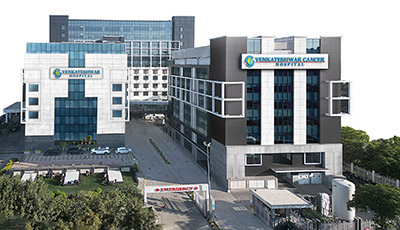
Choosing the right hospital is a critical decision. Venkateshwar Hospitals offers a comprehensive and patient-focused approach to cancer care.

Patients benefit from:

Helpful preventive steps include:
  • A team of experienced surgical and medical, radiation oncologists
  • Advanced diagnostic technology, including PET-CT and MRI
  • Multidisciplinary care under one roof, from diagnosis to recovery
  • Emphasis on fertility preservation and psychological support
  • Personalised treatment plans aligned with international standards
  • A convenient location in Delhi with modern infrastructure

Get In Touch

Venkateshwar Hospital for Cancer Treatment
Need Assistance?

We're here to help!
Feel free to get in touch with us
for any serviceĀ orĀ support.

+91-11-48-555-555

Contact Us

Frequently Asked Questions (FAQ's)

1) What are the early signs of testicular cancer?

Early signs commonly include a painless lump, swelling, or heaviness in the scrotum. Any persistent change should be evaluated by a doctor.

2) Can testicular cancer be cured completely?

Yes, testicular cancer has one of the highest cure rates among cancers, particularly when detected early.

3) How is testicular cancer diagnosed?

Diagnosis involves physical examination, ultrasound, blood tumour marker tests, imaging scans, and surgical confirmation.

4) What is the survival rate for testicular cancer?

Survival rates exceed 95 percent in early-stage disease and remain high even in advanced cases with proper treatment.

5) Who treats testicular cancer?

Testicular cancer is treated by a surgical oncologist and medical oncologists working together as a specialised care team.

6) Is surgery always necessary for testicular cancer?

Surgery is usually the first step in treatment, but additional therapy depends on the type of cancer and stage.

7) Can testicular cancer affect fertility?

Fertility may be affected, but many patients are offered fertility preservation options before treatment.

8) How long is the recovery after treatment?

Recovery varies by treatment type, but many patients return to daily activities within a few weeks.

Our Medical Experts

Dr. Sunil Kumar Gupta

MBBS, MD, DM

Principal Director & HOD

Haemato Medical Oncology & Bone Marrow Transplant

Book an Appointment

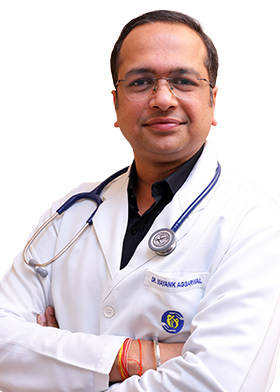
Dr. Mayank Aggarwal

MBBS, MD, DrNB (Medical Oncology), MRCP-SCE (Medical Oncology)

Sr. Consultant & Unit Head

Medical Oncology

Book an Appointment

Dr. Chitresh Yadav

MBBS, MD (Pathology), DM (Clinical Haematology)

Consultant

Haemato Oncology & Bone Marrow Transplant

Book an Appointment

Dr. Santosh Raut Kurmi

MBBS, MD, Fellowship (Haemato Oncology & BMT)

Consultant

Haemato Oncology & Bone Marrow Transplant

Book an Appointment

Dr. Shipra Gupta

MBBS, MD (MC Pant Gold Medalist), DNB, DrNB (Medical Oncology), ECMO Certified

Consultant

Medical Oncology

Book an Appointment

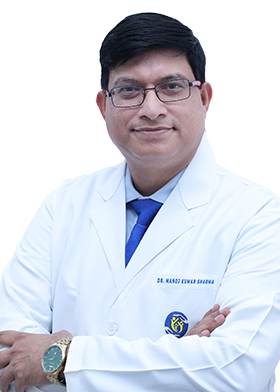
Dr. Manoj Kumar Sharma

MBBS, MD (Radiation Oncology), Fellowship in Proton Therapy (USA)

Director & Unit Head

Radiation Oncology

Book an Appointment

Dr. Kanika Bansal

MBBS, DNB

Sr. Consultant

Radiation Oncology

Book an Appointment

Dr. (Lt. Col) Aditya Pradhan

MBBS, MS, DNB

Principal Director

Urology, Uro-Oncology, Robotics & Renal Transplant

Book an Appointment

Dr. (Maj Gen) D V Singh

MBBS, MS, M.Ch (Urology)

Principal Director

Urology, Uro-Oncology, Robotics & Renal Transplant

Book an Appointment

Dr. Rohit Juneja

MBBS, MS (Gold Medallist), M.Ch

Sr. Consultant

Urology, Uro-Oncology, Robotics & Renal Transplant

Book an Appointment

Dr. Ashutosh Kumar

MBBS, MS, DrNB (Urology)

Associate Consultant

Urology, Uro-Oncology, Robotics & Renal Transplant

Book an Appointment

Dr. Hitesh Kumar Kundu

MBBS, DNB (Surgery), DrNB (Urology)

Associate Consultant

Urology, Uro-Oncology, Robotics & Renal Transplant

Book an Appointment

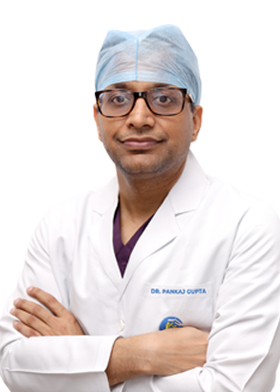
Dr. Pankaj Gupta

MBBS, MS (General Surgery), DrNB (Urology), FICRS

Consultant

Urology, Uro-Oncology, Robotics & Renal Transplant

Book an Appointment

Dr. Dinesh Chandra Katiyar

MBBS, MS, M.Ch

Director

Surgical Oncology & Robotic Surgery

Book an Appointment

Dr. Rudra Prasad Acharya

MBBS, MS, FAIS, FACS, FIAGES

Director

Surgical Oncology & Robotic Surgery

Book an Appointment

Dr. Shveta Tyagi Giri

MBBS, MS, Fellowship/Trainee in Gynae Oncology

Director

Gynae Oncology & Robotic Surgery

Book an Appointment

Dr. Puneet Dargan

MBBS, MS (General Surgery), Master’s (HPB Surgery), European Diploma (HPB Onco-Surgery)

Principal Director & Head

Liver Transplant, GI Surgery, GI Oncology & Robotics

Book an Appointment

Dr. Tanuja Mallik

MBBS (Gold Medalist), DNB (Anaesthesiology), MNAMS

Director & HOD

Liver Transplant Anaesthesia & Critical Care

Book an Appointment

Dr. (Gp Capt) Sumesh Kaistha

MBBS, MS, DNB (Gen. Surgery), FRCS (Glasg), FRCS (Eng), M.Ch (GI Surgery - AIIMS), MIPD Ed (Fellowship in HPB & Liver Transplantation), UK

Director

Liver Transplant & Robotics
GI Surgery, GI Oncology, Bariatrics & Robotic Surgery

Book an Appointment

Dr. Manish Srivastava

MBBS, MS (General Surgery), DrNB (Surgical Gastroenterology), Fellowship in Liver Transplant Surgery, FALS (Robotic Surgery), FALS (Oncology), FALS (Colo-Rectal Surgery), FALS (Bariatric), FMAS, MMAS-HPB, FAGIE

Sr. Consultant

GI Surgery, GI Oncology & Liver Transplant

Book an Appointment

Dr. Aditya Gupta

MBBS, MD (Paediatrics), DM (Paediatric Oncology)

Consultant

Paediatric Oncology

Book an Appointment

Related Blog

Related Conditions & Treatments

Designed and Developed By: Innovative Infonet Private Limited

Book an Appointment
Quick Query