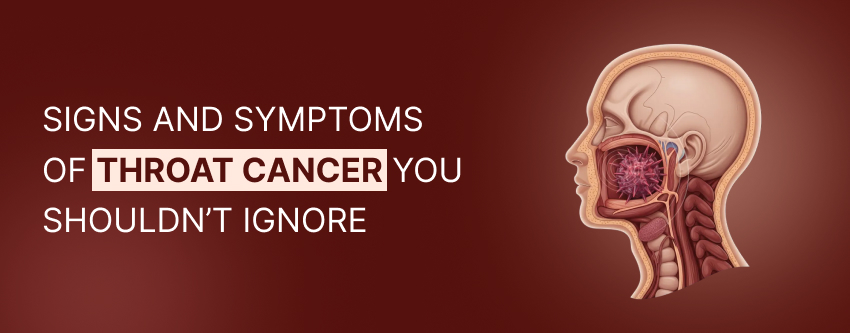
Pharyngeal cancer, commonly referred to as throat cancer, affects the pharynx, a vital structure responsible for swallowing, breathing, and speech. Because the throat plays such an essential role in daily life, any condition affecting it can be physically and emotionally challenging for patients and their families.
When detected early and treated by experienced specialists, pharyngeal cancer is highly manageable. Advances in diagnostics, radiation techniques, surgical precision, and supportive care have significantly improved outcomes while preserving critical throat functions.
At Venkateshwar Hospitals, patients receive comprehensive pharyngeal cancer treatment in Delhi through a patient-focused, multidisciplinary approach. From advanced imaging and precise diagnosis to personalised treatment plans and rehabilitation, all services are delivered under one roof, ensuring continuity of care and peace of mind.
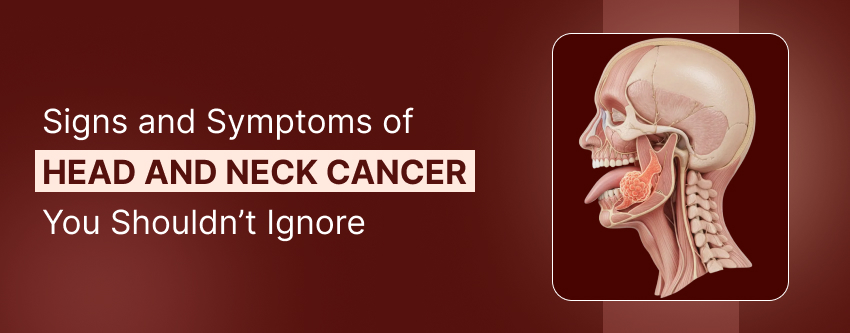
Pharyngeal cancer starts as a tumour and is a disease that begins when abnormal cells divide uncontrollably into the cells that line the pharynx. Over time, they have the potential to produce a tumor that impedes swallowing, speech, and breathing, and if not treated, cancer cells can spread to lymph nodes or other parts of the body.
The pharynx is divided anatomically into three areas of the body, and any of the three can develop pharyngeal cancer. The tumor location will help to define symptoms, diagnoses, and formulate treatment. The ability of the tumor to grow on a cellular and molecular level is a great benefit in formulating the appropriate treatment.
Certain lifestyle, viral, and environmental factors increase the risk of developing pharyngeal cancer. Individuals at higher risk include those who:
People in high-risk groups benefit greatly from regular screenings and early evaluation by ENT specialists.
Pharyngeal cancer is classified based on its location:
Symptoms may develop gradually and are often mistaken for common throat infections. Warning signs include:
If these symptoms persist for more than two weeks, a timely medical evaluation is critical.
Pharyngeal cancer usually results from a combination of factors, including:
Modern oncology increasingly focuses on understanding tumour biology and genetic markers to guide personalised treatment decisions.
Accurate diagnosis and staging form the backbone of effective cancer care. At Venkateshwar Hospitals, patients benefit from advanced diagnostic technologies that enable precise evaluation.
Diagnostic tests may include:
By combining imaging, pathology, and molecular data, specialists gain a comprehensive understanding of the disease before treatment begins.
The treatment for pharyngeal cancer is carefully planned to control the cancer as much as possible without compromising speech and swallowing function, under the guidance of a multidisciplinary tumour board consisting of ENT surgeons, surgical oncologists, medical and radiation oncologists, radiologists, and rehabilitation specialists.
If surgery is necessary, the tumour, regional lymph nodes, or neighbouring structures may be removed. With robotic surgery, we use minimally invasive procedures. Hence, less trauma is applied to the tissue, and less recovery time is needed. The surgeon aims to preserve the organs' function.
Modern radiation techniques such as IMRT (Intensity-Modulated Radiation Therapy) deliver high-dose radiation precisely to the tumour while minimising exposure to healthy tissues. This improves treatment effectiveness and reduces side effects.
Chemotherapy may be used alongside radiation or after surgery, depending on the stage and aggressiveness of cancer. It helps destroy microscopic cancer cells and reduces the risk of recurrence.
For advanced or recurrent cases, targeted therapies and immunotherapy attack specific cancer pathways or strengthen the body’s immune response. Treatment selection may be guided by tumour genetics and molecular profiling.
Recovery does not end with cancer treatment. Comprehensive supportive care includes:
These services play a vital role in restoring quality of life.
Without timely and appropriate treatment, pharyngeal cancer may lead to:
Early diagnosis and integrated care significantly reduce these risks.
Although not all cases are preventable, risk can be reduced by:
Preventive care and awareness remain powerful tools in reducing cancer burden.
Venkateshwar Hospitals is recognised as a leading cancer centre in Delhi NCR due to its comprehensive, patient-centred approach.
We're here to help!
Feel free to get in touch with us
for any service or support.
Early signs may include a persistent sore or painful throat, difficulty or discomfort while swallowing, ongoing voice changes or hoarseness, unexplained ear pain, and lumps or swelling in the neck that do not go away.
Pharyngeal cancer is treated by a multidisciplinary team that typically includes ENT specialists, medical oncologists, radiation oncologists, and other experts who work together to plan personalised care.
Treatment options depend on the stage and location of the cancer and may include surgery, advanced radiation therapy such as IMRT, chemotherapy, targeted therapy, immunotherapy, and supportive rehabilitation services.
Yes, pharyngeal cancer can often be cured when diagnosed early. Even in advanced stages, modern treatment approaches can effectively control the disease and improve quality of life.
Recovery time varies from person to person and depends on the type of treatment received. With proper rehabilitation, including speech and swallowing therapy, most patients gradually regain strength and function.
Most cases of pharyngeal cancer are not hereditary. However, having a family history of head and neck cancers may slightly increase the risk.
You can lower your risk by avoiding tobacco use, limiting alcohol consumption, maintaining good oral hygiene, considering HPV vaccination, and seeking medical advice promptly if throat-related symptoms persist.