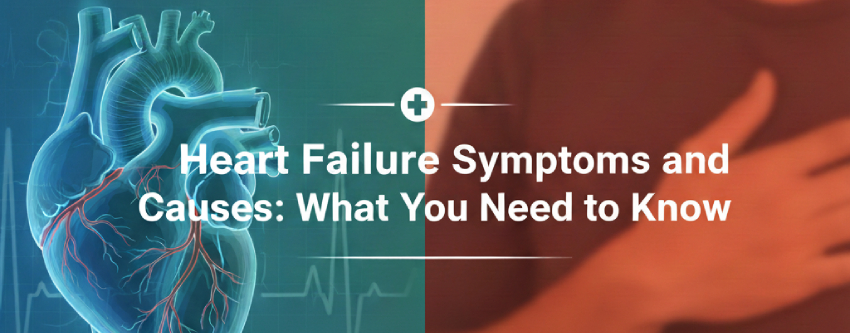
Heart failure is a chronic condition in which the heart muscle cannot pump blood as effectively as the body needs. This can lead to symptoms such as shortness of breath, fatigue, and swelling in the legs and feet. Various factors contribute to heart failure causes, including high blood pressure, coronary artery disease, and diabetes. Understanding these causes and recognising early symptoms is important for timely treatment and effective management through lifestyle changes, medication, or, in some cases, surgery or medical devices.
What is Heart Failure?
Heart failure is a condition in which the heart’s ability to pump or fill with blood is impaired. This leads to a reduction in oxygen supply to the body’s organs and tissues.
There are two main types of heart failure:
- Acute Heart Failure: Occurs suddenly, often as a result of a heart attack or other sudden damage to the heart.
- Chronic Heart Failure: Develops gradually over time and worsens as the heart’s pumping capacity declines.
People living with heart failure may experience mild to severe symptoms that can fluctuate over time. Some individuals may not have noticeable signs initially. Early recognition of Heart Failure Symptoms and prompt consultation with a doctor are key to effectively managing the condition.
Causes of Heart Failure
Heart failure can occur when the heart is unable to pump blood effectively, and several underlying conditions or lifestyle factors can contribute to this problem.
Primary Causes of Heart Failure
Heart failure can occur for many reasons, often as a result of long-term damage to the heart muscles or blood vessels. The leading Heart Failure Causes include:
1. Coronary Artery Disease (CAD)
CAD is the most common cause of heart failure. It occurs when fatty deposits build up in the arteries, narrowing them and reducing blood flow to the heart. Over time, this damages the heart muscle and weakens its ability to pump blood.
2. High Blood Pressure (Hypertension)
When blood pressure remains consistently high, the heart must work harder to circulate blood. This extra strain thickens or stiffens the heart muscle, leading to heart failure.
3. Cardiomyopathy
This refers to diseases of the heart muscle caused by infections, genetic conditions, or long-term alcohol and drug use. The weakened heart muscle struggles to maintain normal circulation, leading to failure.
4. Heart Valve Disorders
Faulty or damaged valves disrupt the normal flow of blood through the heart. Over time, this can cause the heart to enlarge or weaken, leading to heart failure.
5. Diabetes and Metabolic Disorders
Diabetes, obesity, and thyroid disorders can directly or indirectly contribute to heart failure. They increase the risk of high blood pressure and coronary artery disease, both of which strain the heart.
Lifestyle-Related Heart Failure Causes
Certain lifestyle habits can worsen or trigger heart failure:
- Smoking and tobacco use.
- Excessive alcohol or recreational drug use.
- Poor diet rich in salt and saturated fats.
- A sedentary lifestyle leading to obesity.
Addressing these risk factors early can reduce the likelihood of developing chronic heart failure.
Symptoms of Heart Failure
Heart failure can lead to a range of symptoms that occur when the heart cannot pump enough blood to meet the body’s needs.
Recognising Heart Failure Symptoms
Heart failure affects various parts of the body, and its symptoms may range from mild discomfort to severe complications. The most common Heart Failure Symptoms include:
- Shortness of Breath: Often occurs during activity or while lying down due to fluid build-up in the lungs.
- Fatigue and Weakness: The heart’s reduced pumping ability leads to lower energy levels.
- Swelling (Oedema): Noticeable in the legs, ankles, feet, and abdomen due to fluid retention.
- Rapid or Irregular Heartbeat: The heart may beat faster to compensate for poor circulation.
- Persistent Cough or Wheezing: Caused by fluid accumulation in the lungs.
- Sudden Weight Gain: Indicates fluid build-up in the body.
- Loss of Appetite or Nausea: Caused by reduced blood flow to the digestive system.
Monitoring Symptoms at Home:
Keeping track of body weight, breathing patterns, and energy levels can help identify worsening signs. Any sudden or persistent changes in symptoms should be reported to a healthcare provider immediately.
Risk Factors and Who is at Risk?
Heart failure can affect anyone, but some individuals are more at risk than others.
Major Risk Factors Include:
- Age: Risk increases with advancing age.
- Gender: Men have a slightly higher risk, though women’s risk rises after menopause.
- Family History: Genetic factors and a family history of heart disease can increase risk.
- Chronic Conditions: High blood pressure, diabetes, kidney disease, and coronary artery disease all contribute to the risk.
- Lifestyle Factors: Sedentary habits, poor diet, excessive salt intake, smoking, and alcohol use increase vulnerability.
Understanding these risk factors helps individuals take preventive measures early. Regular heart health assessments are especially important for those with multiple risk factors.
When to See a Doctor
Specific symptoms require immediate medical attention. Consult a doctor if you experience:
- Shortness of breath, especially when lying flat or during sleep.
- Persistent swelling in the legs, ankles, or abdomen.
- Sudden weight gain of more than 2–3 kilograms in a few days.
- Constant fatigue or reduced ability to exercise.
- Chest pain or heart palpitations.
Early diagnosis and treatment improve the chances of effective management. Specialists at Venkateshwar Hospital provide comprehensive cardiac evaluation and personalised care for patients experiencing early or advanced signs of heart failure.
Preventive Measures and Lifestyle Tips
Heart failure can often be managed effectively through a combination of medical care and lifestyle modifications. Preventive measures include:
- Heart-Healthy Diet: Choose foods low in salt, fat, and cholesterol. Include fresh fruits, vegetables, and whole grains.
- Regular Physical Activity: Engage in doctor-approved exercises such as walking or light aerobic activity.
- Stress Management: Practise breathing exercises or relaxation techniques to manage emotional stress.
- Medication Adherence: Always take prescribed medications as directed and never skip doses.
- Routine Monitoring: Regular check-ups help track progress and identify any complications early.
- Avoid Tobacco and Alcohol: Both can severely affect heart function and worsen existing conditions.
Outlook
Heart failure is a serious but manageable condition, with causes ranging from high blood pressure and coronary artery disease to lifestyle factors such as poor diet, smoking, and inactivity. Symptoms like shortness of breath, fatigue, swelling, and irregular heartbeat can signal early or worsening heart failure. Recognising these signs and understanding the underlying causes is essential for timely diagnosis and effective management. If you notice any symptoms or have risk factors, seeking professional evaluation at Venkateshwar Hospital can help ensure personalised care, early intervention, and better long-term outcomes.
Frequently Asked Questions
1. What are the first signs of heart failure?
Early signs include shortness of breath, fatigue, and swelling in the ankles, legs, or abdomen. If these symptoms persist, a medical evaluation is essential.
2. Can heart failure be prevented?
While not all cases are preventable, adopting a healthy lifestyle, managing blood pressure, and avoiding tobacco and alcohol can significantly reduce risk.
3. How is heart failure diagnosed?
Diagnosis typically involves a physical examination, medical history review, and tests such as echocardiograms, ECGs, or blood tests.
4. What lifestyle changes help reduce risk?
Maintaining a healthy weight, eating balanced meals, exercising regularly, and managing stress are key preventive measures.
Medically Reviewed by — Dr. Saket Bhardwaj (Principal Director & HOD – Cardiology)