Cancer remains one of the most challenging health conditions globally. While advances in surgery (robotic), chemotherapy, targeted therapy, and radiation therapy (IMRT, IGRT) have improved outcomes for many patients, certain cancers such as pancreatic, brain, and some metastatic forms remain challenging to treat and to achieve good outcomes.
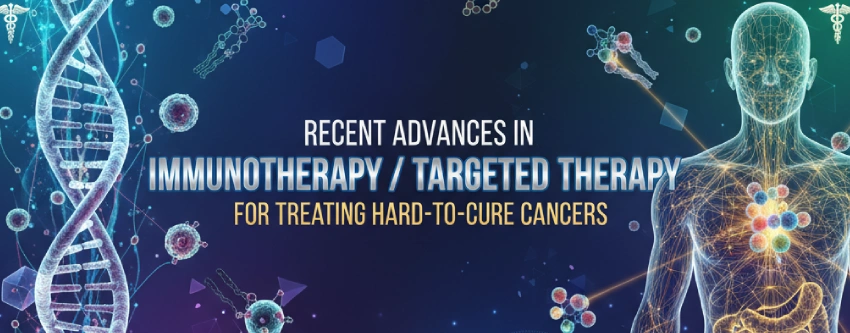
One of the most promising developments in recent years in cancer treatment is immunotherapy/targeted therapy. By using the body’s own immune system, this approach has transformed the way many cancers are managed and offers hope for those with hard-to-cure (advanced) cancers.
What is Cancer Immunotherapy?
Immunotherapy is a treatment that activates the body’s immune system to detect and fight cancer cells. Instead of directly attacking the tumour like chemotherapy or radiation, it trains the immune system to recognise abnormal cells and target them.
The main types of immunotherapy include:
- Checkpoint inhibitors – medicines that release the natural brakes on immune cells so they can attack tumours.
- CAR T-cell therapy – genetically modifying a patient’s T-cells to better target cancer.
- Monoclonal antibodies (humanised/chimeric) – laboratory-made proteins that bind to cancer cells and mark them for immune attack.
- Cancer vaccines – designed to stimulate the immune system to prevent or treat cancer by introducing tumour-specific antigens (e.g., prostate and cervical cancer).
Also Read – Targeted Cancer Therapy: A Step Towards Personalised Treatment
Key Immunotherapy Approaches
Immune Checkpoint Inhibitors
Checkpoint inhibitors block proteins such as PD-1, PD-L1, and CTLA-4, which normally keep the immune system from attacking the body. In many cancers, tumours exploit these checkpoints to avoid detection. By blocking these signals, checkpoint inhibitors allow T-cells to recognise and kill cancer cells. They have shown success in the majority of solid tumours such as lung, kidney, breast, prostate, melanoma, and some rare tumours.
CAR T-Cell Therapy
Chimeric Antigen Receptor (CAR) T-cell therapy involves taking a patient’s T-cells, engineering them in a lab to better recognise cancer, and reinfusing them. This method has been particularly successful in blood cancers like leukaemia, lymphoma and myeloma. Research is ongoing to adapt CAR T-cell therapy for solid tumours, which remain more challenging.
Cancer Vaccines
Cancer vaccines aim to reach the immune system to attack tumour-specific proteins, known as antigens. Neoantigen-based vaccines, tailored to a patient’s tumour mutations, are under active investigation. These vaccines could play an important role in personalised cancer care (e.g., prostate and cervical cancer).
Other Emerging Concepts
- Oncolytic viruses – modified viruses that infect and destroy cancer cells while stimulating an immune response.
- Cytokine-based therapies – proteins that enhance immune cell activity and strengthen the anti-cancer response.
Current Research and Advances
Overcoming Resistance
Not all patients respond to immunotherapy. Genetic factors, tumour mutations, and the immune environment can limit effectiveness. Research is focusing on understanding why resistance develops (primary/secondary) and how it can be prevented.
Combination Therapies
Combining immunotherapy with chemotherapy or radiation may produce stronger effects. It is known that standard treatments reduce tumour size, but the addition of immunotherapy keeps the immune system engaged for long-term protection.
Targeting the Tumour Microenvironment
Some tumours create an immunosuppressive environment that prevents T-cells from working. Scientists are developing methods to modify these environments, making them more responsive to treatment.
Personalised Immunotherapy
Personalisation involves tailoring therapies based on genetic testing, biomarkers, and immune profiling. This approach ensures treatment plans are more precise and potentially more effective.
Also Read – Role of Medical Oncologists in Personalised Cancer Treatment Plans
Recent Breakthroughs in Cancer Immunotherapy
Several significant advances have been reported:
- Personalised CAR T-cell therapies are showing promise in solid tumours.
- Neoantigen-based vaccines are progressing through clinical trials with encouraging early results.
- Bispecific antibodies are being developed to target two different molecules at once, increasing precision.
- Checkpoint inhibitors are being tested in rare cancers such as Merkel cell carcinoma and mesothelioma, expanding their potential use.
Future Directions in Cancer Immunotherapy
The future of cancer immunotherapy is promising. Researchers are focusing on:
- Developing new immune agents with improved targeting abilities.
- Enhancing the durability of the response so that the benefits last longer.
- Expanding treatment availability to more cancer types and subtypes.
- Making therapies more affordable (biosimilars) and accessible to patients worldwide.
Also Read – What are the Different Types of Chemotherapy?
Conclusion
Cancer immunotherapy advances have already changed the way doctors treat metastatic and advanced cancers. While challenges remain, ongoing research continues to refine these approaches and expand their benefits. For patients and families, the progress in immunotherapy represents hope for more effective and personalised treatment in the years to come.
Frequently Asked Questions
1. Why is immunotherapy a promising new cancer treatment?
Immunotherapy is considered promising because it uses the body’s own immune system to fight cancer. It can provide long-lasting responses in some cancers and works differently from chemotherapy or radiation by training the immune system to recognise and attack tumour cells.
2. Can immunotherapy cure advanced cancer?
While immunotherapy has helped some patients with advanced cancers achieve long-term remission, it is not always a cure but rather a way to maximise survival with quality of life. Outcomes vary depending on cancer type, stage, and patient health. Doctors usually advise on whether it may be effective in specific cases.
3. What is the biggest challenge for cancer immunotherapy?
The biggest challenge is that not all patients respond to treatment. Tumour resistance, genetic factors, and the immune environment can limit success. Identifying which patients will benefit remains an important area of research.
4. Why can’t immunotherapy cure cancer?
Cancer is complex, and some tumours can hide from the immune system or create barriers that block immune cells. These challenges mean immunotherapy does not work universally, though ongoing research is aiming to overcome such hurdles (e.g., melanoma).
5. What are the advances in immunotherapy for cancer?
Recent advances include personalised CAR T-cell therapies, neoantigen-based vaccines, bispecific antibodies, and expanded use of checkpoint inhibitors. These developments are bringing immunotherapy into the treatment of more cancer types, including those previously hard to manage.
6. Why is cancer so difficult to cure?
Cancer is difficult to cure because it is not one disease but a collection of many, each with its own genetic and biological variations (heterogeneous diseases). Tumours also adapt quickly, which makes treatment more challenging.
7. Which cancers are most successfully treated with immunotherapy?
Immunotherapy has shown the most success in cancers such as melanoma, lung cancer, breast cancer, kidney cancer, and certain blood cancers like lymphoma and leukaemia (both acute and chronic). Doctors determine suitability based on tumour characteristics and patient factors.
8. What is the danger of immunotherapy?
Immunotherapy can overstimulate the immune system, leading to side effects such as inflammation in healthy tissues and organs. These can range from mild to severe, and treatment should always be closely monitored by specialists.
9. Which cancers do not respond to immunotherapy?
Some cancers, including pancreatic cancer and certain types of brain tumours, often do not respond well to immunotherapy. Research is ongoing to understand why and to develop strategies to improve responses.
Medically Reviewed by — Dr. Sunil Kumar Gupta (Principal Director & HOD – Haemato Medical Oncology & Bone Marrow Transplant)