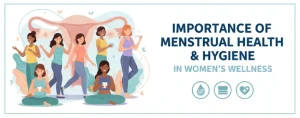
A healthy menstrual cycle is a key indicator of a woman’s overall well-being, reflecting hormonal balance, nutritional status, and lifestyle habits. Yet, many women experience irregular periods, severe cramps, mood swings, or fatigue, which can disrupt daily life and signal underlying nutritional or hormonal issues. One of the most effective ways to support menstrual health is through a balanced, nutrient-rich diet. By focusing on a diet for menstrual health, women can naturally manage symptoms, regulate hormones, and improve energy levels. The menstrual cycle’s link to hormonal balance and nutritional status is fundamental to female reproductive health. Understanding what to eat and what to avoid can make each phase of the menstrual cycle smoother and more comfortable, promoting long-term reproductive and general health.
Understanding Menstrual Health
A healthy menstrual cycle typically lasts between 21 and 35 days, with bleeding for around 3 to 7 days. During this time, hormonal fluctuations involving oestrogen, progesterone, and other key hormones prepare the body for a potential pregnancy.
Many women experience menstrual issues, such as:
- Premenstrual Syndrome (PMS): Mood swings, fatigue, bloating, or headaches.
- Irregular Periods: Cycles shorter or longer than usual.
- Painful Cramps (Dysmenorrhea): Severe lower abdominal pain.
- Heavy Bleeding: Excessive menstrual flow.
Hormonal imbalances, stress, and poor nutrition often influence these issues. A nutrient-rich diet can support hormonal regulation, reduce inflammation, and improve symptoms like cramps, mood swings, and fatigue, making it an essential part of self-care for menstrual health.
The Science Behind Diet and Hormones
The menstrual cycle is regulated by hormones such as oestrogen, progesterone, FSH, and LH. The foods you consume directly affect the production and metabolism of these hormones.
- Healthy Fats: Omega-3 fatty acids support the production of sex hormones and reduce inflammation.
- Protein: Helps regulate blood sugar and maintain hormonal balance.
- Micronutrients: Magnesium, vitamin B6, iron, calcium, and vitamin D play roles in energy, mood, and the reduction of PMS symptoms.
Conversely, a poor diet, especially one high in sugar, processed foods, and caffeine, can increase inflammation and disrupt the delicate hormonal balance, leading to irregular cycles and mood fluctuations. Advising reduction of processed foods, excess caffeine, and sugar to limit inflammation and hormonal disruption matches current evidence.
Nutrition and hormones are deeply connected. Eating mindfully can bring more harmony to your body and menstrual rhythm.
Best Foods to Include in a Diet for Menstrual Health
Here are nutrient-rich foods that can support menstrual health naturally:
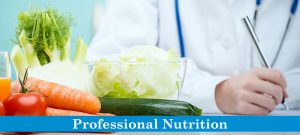
- Leafy Greens: Spinach, kale, and fenugreek leaves are excellent sources of iron and calcium. Iron helps replenish blood lost during menstruation, while calcium supports muscle relaxation and reduces cramps.
- Fatty Fish (like Salmon): Packed with omega-3 fatty acids, salmon reduces inflammation and alleviates menstrual pain, while improving mood.
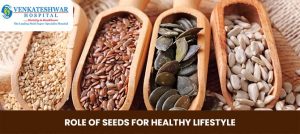
- Nuts and Seeds: Flaxseeds, pumpkin seeds, and almonds provide magnesium, zinc, and healthy fats that promote hormonal balance and ease PMS symptoms.
- Fruits (like Bananas and Berries): Rich in fibre, potassium, and antioxidants, fruits help regulate digestion, reduce bloating, and stabilise energy levels.
- Whole Grains (like Quinoa and Oats): High in complex carbohydrates that regulate blood sugar, boost serotonin, and help combat mood swings.
- Dark Chocolate (in moderation): Rich in magnesium, which helps relieve cramps and improve mood. Opt for dark chocolate with at least 70% cocoa and minimal sugar.
The dietary advice tailored to menstrual cycle phases on iron, complex carbs, antioxidants, and healthy fats aligns with emerging nutritional science. Consistency matters more than quick fixes. Build a weekly meal plan that incorporates a mix of these nutrient-dense foods for lasting menstrual health benefits.
Foods to Avoid or Limit
Certain foods can aggravate menstrual symptoms and disrupt hormonal balance. Minimise:
- Excess Sugar: Triggers mood swings and inflammation, worsening cramps.
- Caffeine: Increases anxiety and may cause breast tenderness.
- Processed and Salty Foods: Lead to water retention and bloating.
- Red Meat: High in saturated fats and may trigger inflammation for some women.
Instead, choose whole, unprocessed foods that support hormonal health and are gentle on digestion.
Diet Tips for Different Phases of the Menstrual Cycle
Nutritional needs shift throughout the cycle. Adapting your diet can help balance energy and reduce discomfort:
- Menstrual Phase (Days 1–5): Focus on iron-rich foods like lentils, spinach, and beets. Include vitamin C-rich foods such as oranges to enhance iron absorption.
- Follicular Phase (Days 6–14): Increase protein and healthy fats to support follicle growth. Eggs, nuts, and avocados are excellent choices.
- Ovulation Phase (Around Day 14): Stay hydrated and include antioxidant-rich foods, such as berries and citrus fruits, to help combat oxidative stress.
- Luteal Phase (Days 15–28): Incorporate complex carbohydrates like oats and quinoa, and magnesium-rich foods such as pumpkin seeds and bananas to ease PMS and stabilise mood.
Supplements That May Support Menstrual Health
While a balanced diet should meet most nutritional needs, some women may benefit from supplements under medical supervision:
- Magnesium: Helps relieve cramps and improve sleep.
- Vitamin B6: Reduces mood swings and bloating.
- Omega-3 Fatty Acids: Decrease inflammation and menstrual pain.
- Iron: Prevents anaemia during heavy bleeding.
- Evening Primrose Oil: May ease breast tenderness and PMS symptoms.
Supplements such as magnesium, vitamin B6, omega-3s, and iron may provide benefits but should be individualised with healthcare guidance. Always consult your doctor before starting any supplement to ensure safety and correct dosage.
Lifestyle Factors That Complement a Healthy Diet
A balanced diet works best when paired with a holistic lifestyle:
- Exercise Regularly: Gentle yoga, walking, or swimming can reduce cramps and improve circulation.
- Manage Stress: Meditation, journaling, and deep breathing balance cortisol levels and support hormonal health.
- Prioritise Sleep: Aim for 7–8 hours per night to support hormone regulation.
- Stay Hydrated: Drink plenty of water to reduce bloating and fatigue.
Adopting a holistic approach that combines regular exercise, effective stress management, proper hydration, and sufficient sleep enhances the benefits of a balanced diet. Consistent, small lifestyle habits can significantly improve menstrual comfort and overall well-being.
When to Consult a Doctor or Dietitian
Seek professional help if you experience:
- Persistent irregular cycles or missed periods.
- Heavy or prolonged bleeding.
- Severe PMS or emotional changes.
- Underlying conditions like PCOS or endometriosis.
For personalised advice on supporting menstrual health through diet and lifestyle, consult the expert gynaecologists and nutritionists at Venkateshwar Hospitals. Their multidisciplinary team offers comprehensive care and creates tailored nutrition plans to restore hormonal balance and effectively ease menstrual symptoms.
Conclusion
A healthy menstrual cycle reflects the body’s internal balance, and diet plays a decisive role in maintaining it. By incorporating nutrient-dense foods, reducing inflammatory triggers, and following phase-specific dietary guidance, women can support their hormones naturally.
Consistency is key. Minor dietary improvements, practised regularly, can lead to long-term menstrual wellness and improved overall health. For a more balanced, symptom-free cycle, focus on nourishing your body with a diet for menstrual health and on mindful lifestyle choices.
Frequently Asked Questions
1. What is the best diet for menstrual health?
A balanced diet for menstrual health, rich in whole foods such as leafy greens, fruits, whole grains, lean proteins, and healthy fats, can support hormonal balance and overall cycle regularity. Foods high in fibre, antioxidants, and anti-inflammatory nutrients help reduce cramps, stabilise mood, and maintain energy levels throughout the cycle.
2. Can diet affect your menstrual cycle?
Yes, diet can significantly influence menstrual cycles. Poor nutrition, excessive sugar intake, and imbalanced eating patterns can disrupt hormone levels, leading to irregular or missed periods.
3. What nutrients are essential for a healthy menstrual cycle?
Key nutrients include iron (to replenish blood loss), magnesium (to reduce cramps and support mood), vitamin B6 (to alleviate PMS symptoms), calcium (to relax muscles), omega-3 fatty acids (to reduce inflammation), and vitamin D (to support overall hormone regulation).
4. Can skipping meals affect your period?
Yes, skipping meals or chronic under-eating can disrupt hormonal balance by stressing the body and altering energy availability, potentially causing irregular periods or amenorrhea.
6. Should I avoid dairy during my period?
Dairy does not need to be avoided unless you have an intolerance or sensitivity. Some women find that reducing high-fat dairy eases bloating, but dairy also provides calcium and vitamin D, which support menstrual health.
7. How much iron should I consume during my period?
Iron needs increase during menstruation due to blood loss. Adult women generally require about 18 mg of iron daily, but during menstruation, an increased intake through diet or supplements may be necessary, particularly if you experience heavy bleeding.
8. What role does magnesium play in menstrual health?
Magnesium helps relax muscles, reducing menstrual cramps, and supports mood stabilisation by influencing neurotransmitter activity. It also helps limit water retention and bloating during periods.
9. Can supplements help with menstrual irregularities?
Supplements such as magnesium, vitamin B6, omega-3 fatty acids, and iron may help manage symptoms and support cycle regularity, but should always be used under medical supervision.
Medically Reviewed by — Dr. Preeti Tahilyani ( Director – Obstetrics & Gynaecology, Laparoscopic & Robotic Surgery )